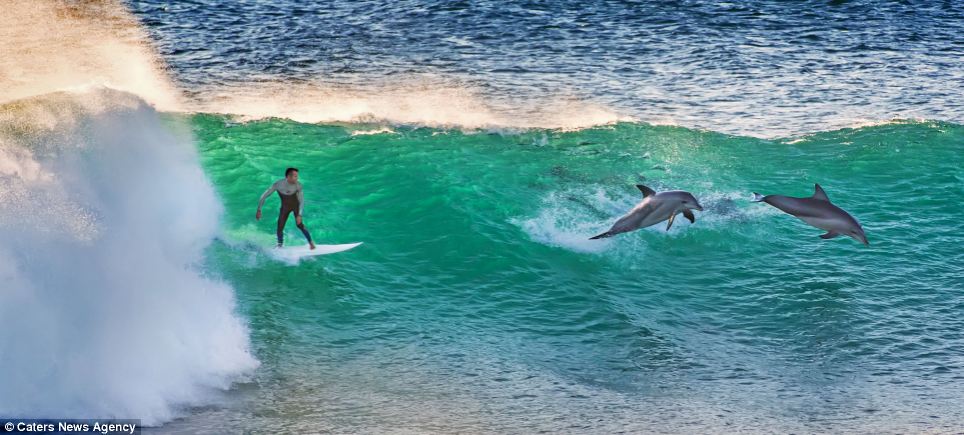
Surfer Trent Sherbourne set out to surf some Australian waves, only to be out performed by some dolphins!
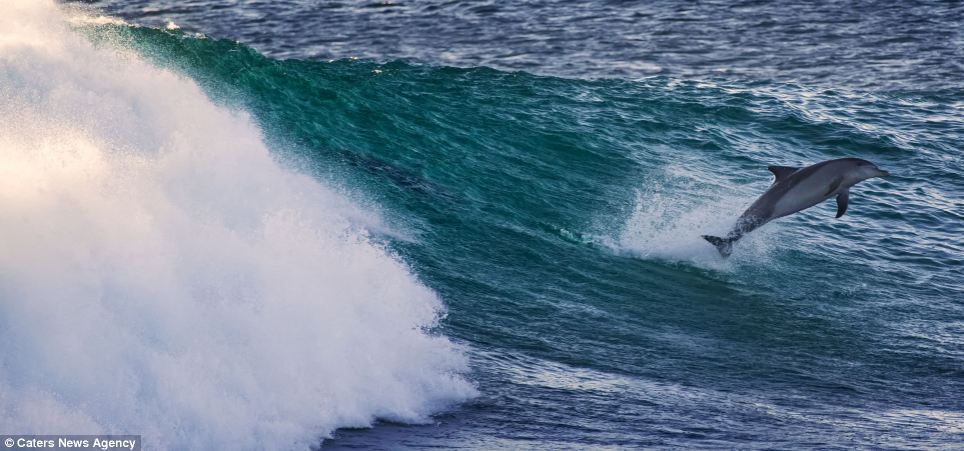
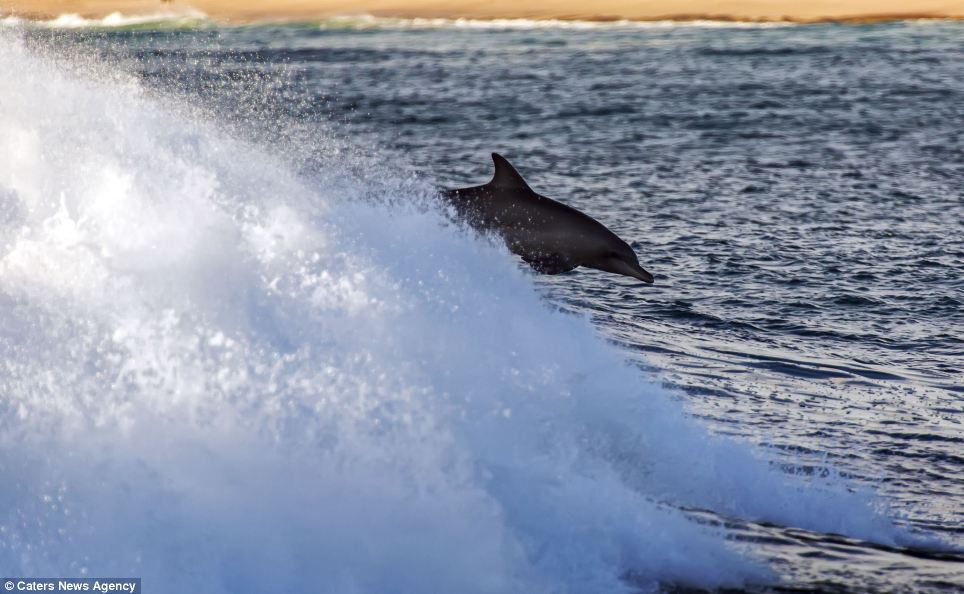
What an incredible experience and surprise it would be to find yourself not only sharing the surf with a pod of dolphins, but to also have them jump out of the water right in front of you.
This moment was captured back on land by a self taught photographer, Matt Hutton, who was lining up his last shot of the day, while experimenting with a new lens.
As a dolphin lover and photographer … this would an incredible experience and such a rare moment to capture! This photographer was definitely at the right place at the right time! His photos turned out to be amazing … Enjoy!
Only 8 days remain until the fisherman of Taiji begin another season of the annual Dolphin Drive Hunt & Slaughter
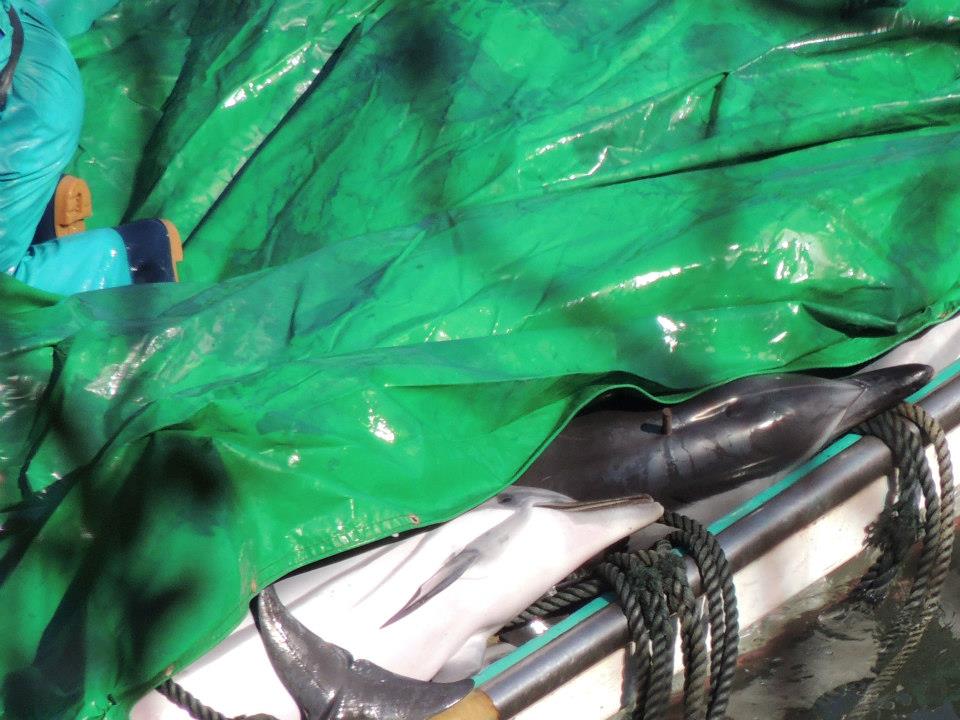
The slaughter of dolphins, porpoises and small whales occurs in Taiji, Japan each year. Starting on September 1 and usually continues through March of the next year. Fisherman herd whole families of small cetaceans into a shallow bay and mercilessly stab and drown them to death.
The dolphin drive hunts in Taiji do not just end in the killing of dolphins, Taiji is “ground zero” for the international trade in live dolphins. There is a direct link between the captive dolphin entertainment industry and the bloody waters of the Cove in Taiji. Supporting a live dolphin show or participating in a confined swim with dolphin program is supporting the annual dolphin hunt in Taiji and in return directly relates to killing of thousands of dolphins each year for human consumption. It is the dolphin entertainment industry that drive the hunt and the killing of dolphins follows in its wake. For the dolphins pulled from their families and sold into captivity, life is beyond horrible.
Once the dolphins are driven into the Cove area, they are then herded into a southern finger off the Cove. Oftern main mammal trainers from the nearby Dolphin Base and the Taiji Whale Museum wil move among the captured dolphins and select the young dolphins and those deemed “beautiful” (that is without any scarring) for the captive entertainment industry. Those not selected are pushed further into the Cove and hunters push a metal rod into the dolphin’s spinal cords. Once the rod is removed, a wooden plud is then hammered into the pole. The insertion of the rod causes paralysis, however the dolphins are stil alive and very much aware of what is happening to them and to their family members. A rope is then tied around their tails adn they are hauled out tothe waiting gutting barge by small skiffs. Most of them slowly drown and die during this towing activity.
What can you do to help:
Dolphin exploitation continues to this day because the public remains unaware of dolphin suffering. Now that you are aware, please do not fund the suffering of dolphins and cetaceans by purchasing a ticket to a dolphin show or swim with dolphin program
Educate others on the link between the Taiji dolphin slaughter and the captive dolphin entertainment industry. Discourage your family and friends from visiting dolphinariums, such as Sea World, Marineland Canada, etc., or participating in swim with dolphin programs.
With the recent release of the highly anticipated documentary, Blackfish, which provides a critical look at the family orientated Sea World’s treatment of whales, two other videos released on youtube provide further insight into Sea World’s treatment of the dolphins and whales.
Distressed Pilot Whale at Sea World: Sea World find itself under fire after trainers failed to help a distress pilot whale stuck on a slideout ledge for approximately 25 minutes. The video was caught on camera by an audience member, who has stated that his views of Sea World have been changed forever.
Peta released this statement after the release of the video: “Audiences should be horrified by every video taken inside SeaWorld,” PETA wrote in an emailed statement Monday. Whether they show a pilot whale stranded on a concrete ledge in front of a shocked crowd, an orca killing his trainer, or intelligent, sensitive whales forced to swim day in and day out in tiny circles for a reward of dead fish, these videos are a potent reminder that SeaWorld keeps marine mammals trapped in concrete tanks that bear no resemblance to their habitat in the wild, with no room in which to swim, no family groups, and no stimulation.”
Take a look at the video below and draw your own conclusions on the treatment of whales and dolphins at Sea World.
Dolphin Escapes Tank at Sea World: During a public feeding of the dolphins at Sea World, one dolphin jumped out of the tank and landed on the concrete. “I do not have children, but this is not something I would want them to see on a family vacation.” – David Kirby (deathatseaworld.com) Not only is a situation like this extrememly dangerous for the dolphin itself, as you can see in the video from the blood on the concrete, it is also an extremely dangerous situation for spectators. If a child or adult was nearby and had been injured when the dolphin jumped out of the tank, then I can assure you there would be a media storm covering this story.
If you are contmeplating or even planning a trip to Sea World in the near or distant to future, then consider this: Sea World is not a place for education on dolphins and whales. The daily shows at dolphin & whale stadium and Shamu stadium are simply that a show, designed to entertain and have absoltely no educational benefit. The dolphins and whales of Sea World and conditioned to perform tricks for your entertainment receiving dead fish as their reward and in no resemble the natural habits of a dolphin or whale in the wild.
“There is as much educational benefit in studying dolphins in captivity as there would be in studying human beings by only observing prisoners in solitary confinement.”. Jacques Cousteau
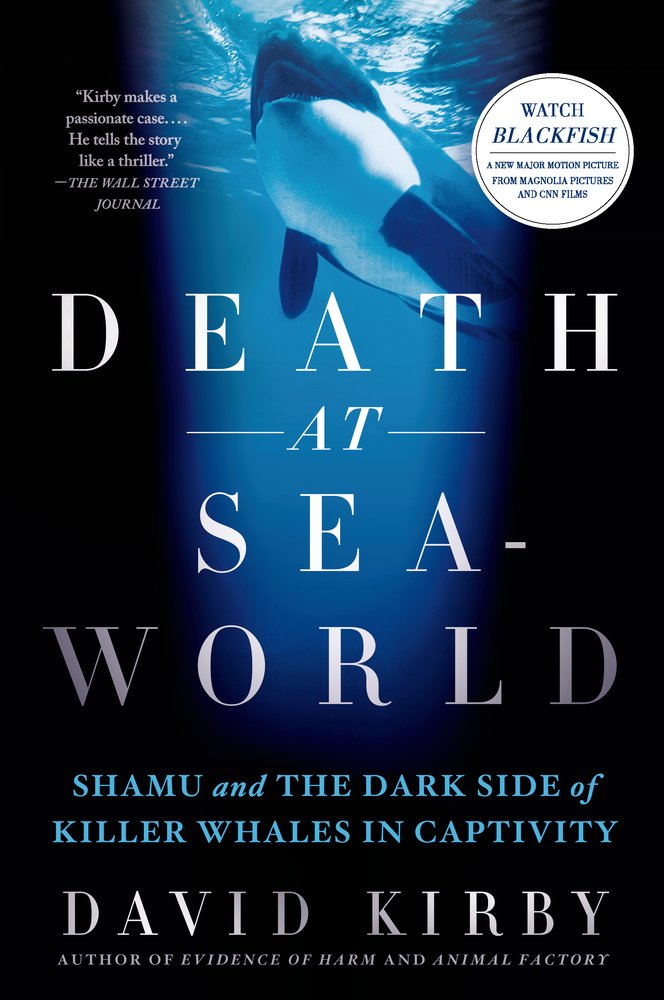
DEATH AT SEAWORLD “is a groundbreaking scientific examination that exposes the dark side of SeaWorld, America’s most beloved marine mammal park. From the tragic death of trainer Dawn Brancheau in 2010, to other, less-publicized violent incidents, journalist David Kirby puts these brutal animal-on-human attacks in context and explores the controversial and even lethal ramifications of keeping killer whales in captivity. It introduces the real people taking part in this debate, from former trainers turned animal rights activists to the men and women that champion SeaWorld and the captivity of whales. Kirby follows the story of Naomi Rose Ph.D., marine mammal scientist for The Humane Society of the United States and senior scientist for The Humane Society International, whose warnings against keeping killer whales in captivity fell on deaf ears. He also covers the media backlash, the eyewitnesses who come forward to challenge SeaWorld’s glossy image, and the groundbreaking OSHA vs. SeaWorld case. On May 30, 2012, the judge ruled on this case, stating that trainers performing with huge ocean predators need to be protected by physical barriers, or some other means providing the same level of safety. The strict standard could effectively prevent SeaWorld from ever allowing its trainers to get back into the water during shows with the whales.” (Source)
Thoughts on Death at Sea World:
With the upcoming release of the new documentary Blackfish, I decided to finally read Death at Sea World. Simply put, it is an inspiring, heartbreaking, thriller, that provides significant insight into the lives of Killer Whales in captivity. Kirby takes you through a gripping investigation that is hard to put down. The book in the end, is an eye opener to Shamu and the Dark Side of Killer Whales in Captivity.
The chapter entitled Capture, which is told from Tilikum’s perspective, is absolutely heartbreaking. It is hard not to view the capture of Tilikum as similar to that of a child being taken away from its mother at such a young age. Especially considering that male killer whales spend most of their time by their mother’s side from infancy through old age. While they may swim off for a few hours or days to mate with females from other pods, at the end of the day they always come back to their mother. As Kirby puts it, “in other words, male resident orcas are the planet’s ultimate mama’s boy.” Here is a little excerpt from the chapter “Suddenly you are snagged in another, smaller net. You cry out in shock and fear, calling for your mother. You feel the net being pulled through the water toward the boat. Your heart races and you surface to breathe, quickly and with difficulty. What is going on? Where is your mom? Then you hear her. You have never hear this wretched wail before: mournful, ragged, spiked with rage and terror. Now your other relative have joined the awful remonstration. You answer their panicked cries with your own chaotic vocalizations as you’re hauled from the water on a canvas sling.”
Interestingly enough, no killer whale had been reported to have killed a human in the wild, or even seriously attacked a human in the wild, and no killer whale had ever been known to be killed in a fight with another whale. All three of those things have happened in captivity
According to Kirby there are two vital questions:
1) Is captivity in an amusement park good for orcas: Is this the appropriate venue for killer whales to be held, and does it somehow benefit wild orcas and their ocean habitat, as industry claims?
2) Is orca captivity good for society: Is it safe for trainers and truly educational for a public that pays to watch the whales perform what critics say are animal tricks akin to circus acts?
Clearly my answer to these two questions is no, but what would your answer be?
After reading Death at Sea World, this what I can say with certainty: 1. I will continue my pledge to never visit Sea World or anything similar 2. I will be a voice for the voiceless by informing others of the brutal reality of captivity for Killer Whales and other cetaceans, 3. The only place I ever want to see Killer Whales is in their natural environment and thanks to David Kirby I hope to one day travel to Johnstone Strait and Telegraph Cove to do so.
That being said, I urge each of you to pick up Death at Sea World by David Kirby and sit down and read it. I guarantee you that it will completely change your outlook on Sea World and the Killer Whale captive entertainment industry. Secondly, if you haven’t already heard about the new documentary Blackfish, then view the trailer below and check for local screening times on the website http://blackfishmovie.com/
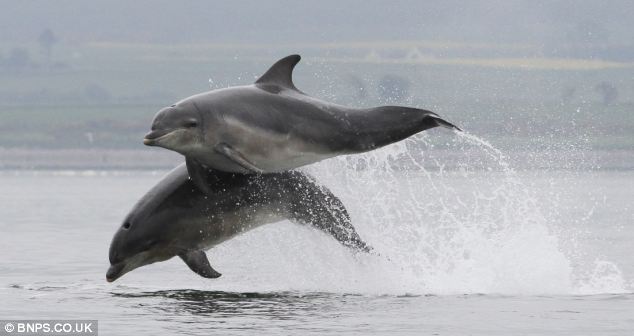
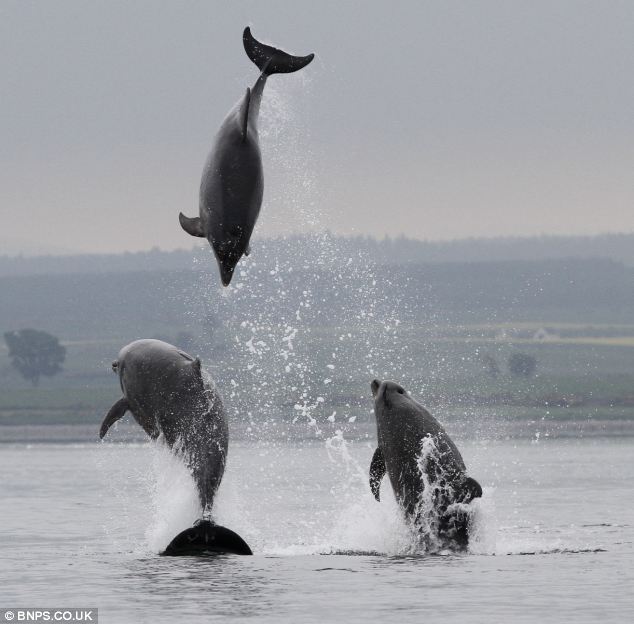
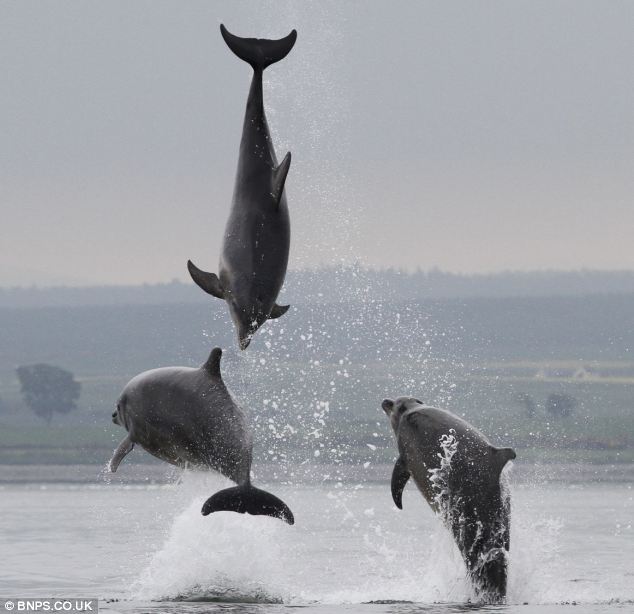
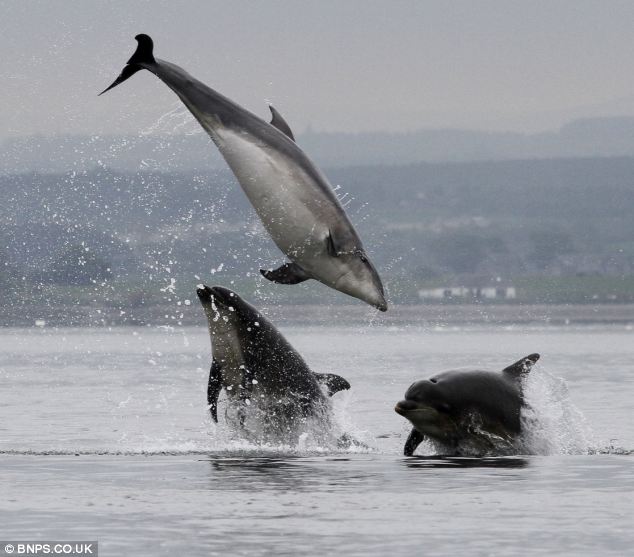
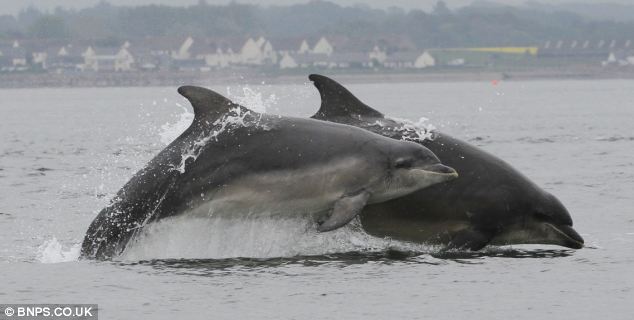
Approximately 20 dolphins were spotted hunting on the Moray Firth in Scotland.
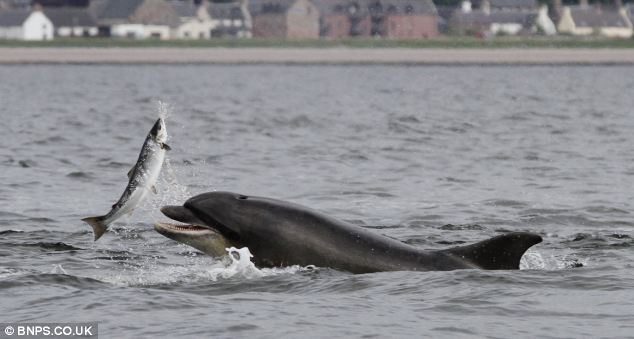
Amateur photographer Alister Kemp, 47, was watching from the shore and managed to captured a series of amazing and stunning shots. Alister, from Evanton in Ross-Shire, said: ‘I took these pictures when the salmon were returning to the river to spawn during low tide.
The pod of 20 dolphins had been laying in wait for the annual ‘salmon run’, where they can be guaranteed a tasty snack as hundreds of fish swim from the sea back to freshwater to spawn. Once the dolphins have got a fish they will throw it out of the water and then you will see them leap out after it.
“I have taken hundreds of pictures of the dolphins over the years but I think these could be my best so far. Sometimes I have waited two to three hours to see them but I have also been there at just the right time to spot them, when the tide has just started to come in.”
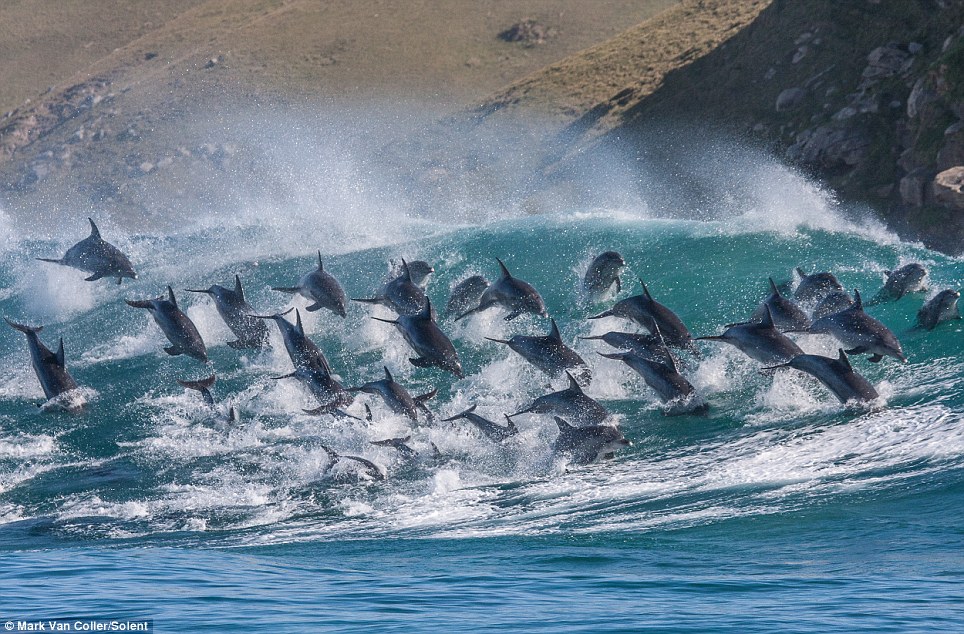
A pod of 40 bottlenose dolphins were spotted jumping out of the back of the breaking waves that were rolling into the east coast of South Africa. Despite facing waves as big as eight feet, some of the more energetic marine mammals were seen leaping six foot out of the sea.
The dolphins were photographed by Mark van Collier as they made their north up the east coast of South Africa, near Port St Johns. Mark travelled alongside the pod on a boat and was amazed to see so many dolphins ‘surfing’ in unison.
In many animal societies, if a member of a group is gravely wounded or born with disabling deformities, that animal becomes an unsustainable burden on the others, and is often left behind at the mercy of predators, hunger and disease.
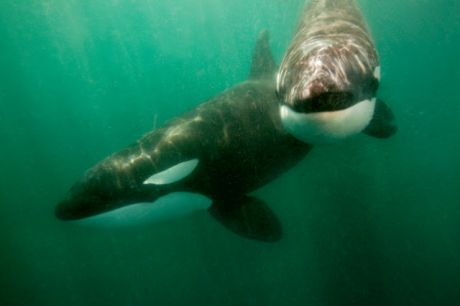
Not so with killer whales. They are among the few species in the world to look after members of their family who cannot look after themselves. Their patience and compassion for each other surpasses, perhaps, even that of humans
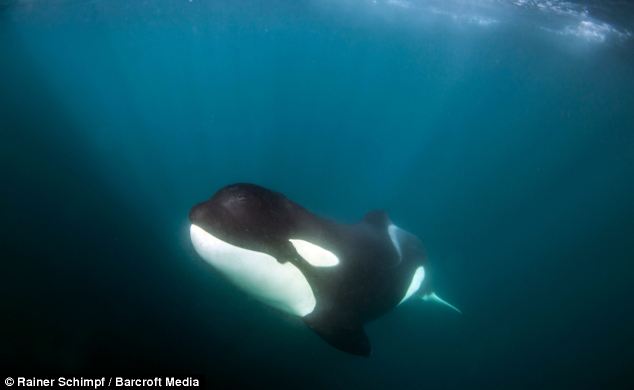
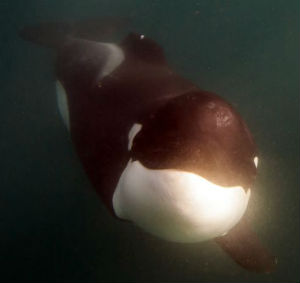
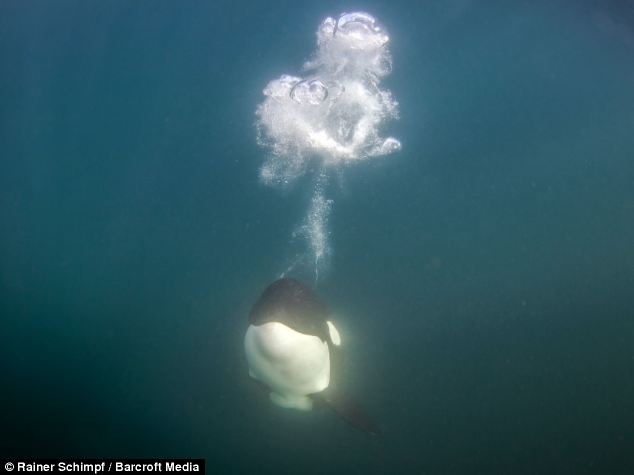
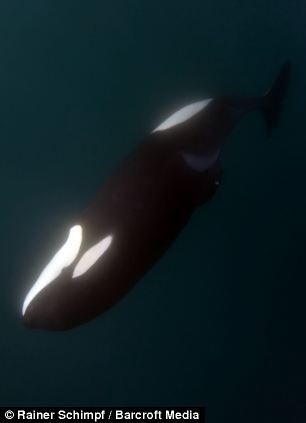
The most recent example of this extraordinary commitment to one another was revealed recently in the UK’s Daily Mail, which ran a story and photo essay of a disabled young male orca off the coast of South Africa. The disabled killer whale that is missing two fins is able to survive in the wild with the help of its family, who hunt food its food. The young killer whale has no dorsal fin or right-side pectoral fin, leaving it unable to hunt for itself.
These disfigurements make it impossible for the whale to hunt alongside his pod. Luckily for him, they are only too willing to hunt for their disabled pod mate.
Underwater photographer Rainer Schimpf came face to face with the pod while the members hunted in waters off Port Elizabeth in South Africa. He said: “Incapable of fast hunting and ambushing prey it has to be dependent on the pod which, one assumes, looks after it very well. It shows these mammals are not really just ruthless killing machines but they also have complex, caring social-structures in which they and care for their own disabled members.”
Of course, the more you learn about the intelligence, compassion and complex social bonds these amazing animals have developed over millions of years of evolution, the idea of keeping them locked up in tanks for human entertainment and profit becomes even more ludicrous.
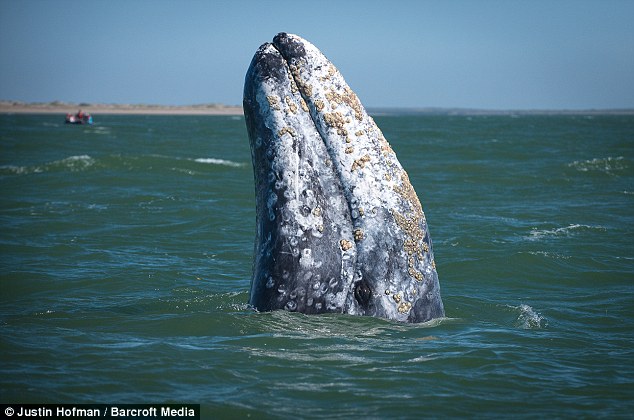
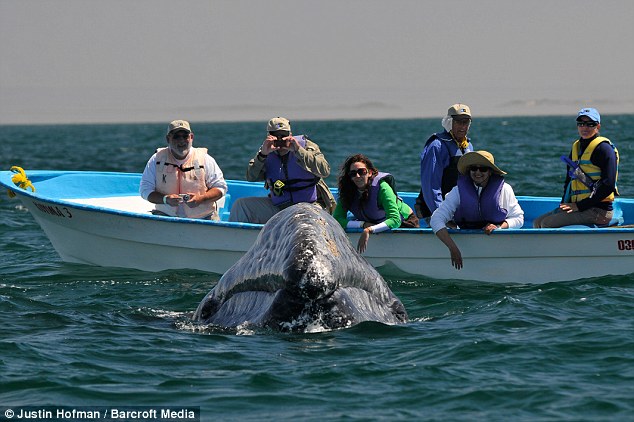
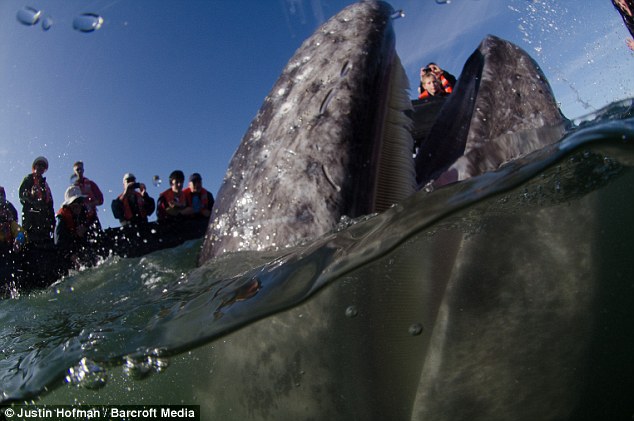
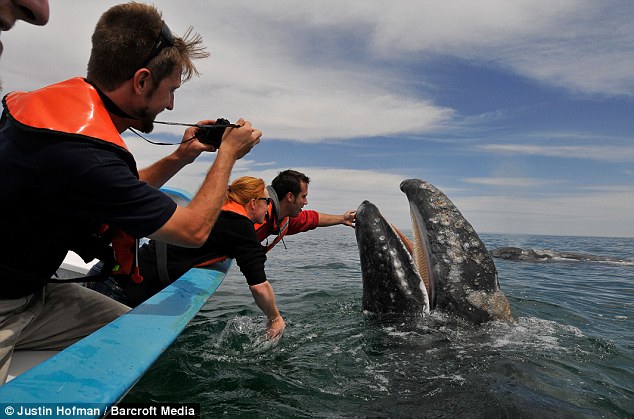
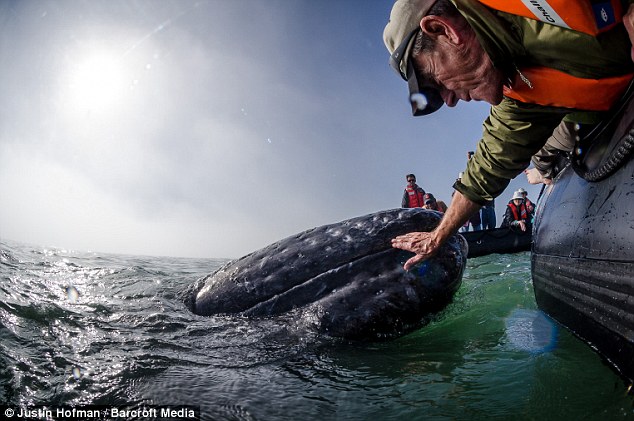
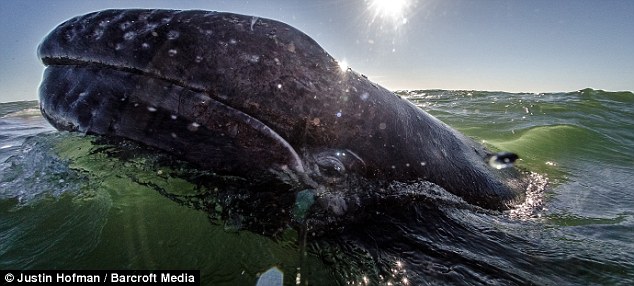
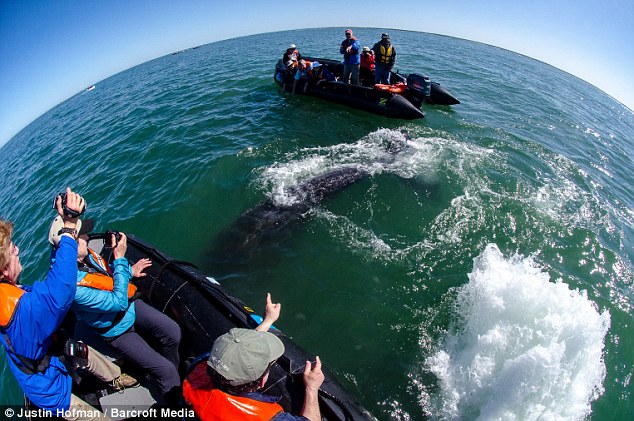
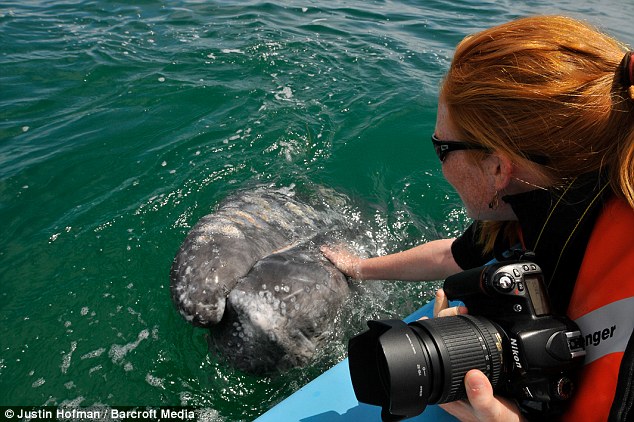
Tourists had a “whale” of a time after a 30 tonne mother gray whale and her calf pop up to say hello!
This is the Real Sea World and a heartwarming moment an affectionate 40 ft mother wale and her curious calf popped up to say hello to tourists who showered them with hugs and kisses.
The friendly mother rose to the surface just in time to make these holiday snaps ones to definitely remember. Guests were truely amazed when the friendly gray whales drifted up to the boats.
The images were captured by photographer Justin Hofman off the coast of Baja California, Mexico.
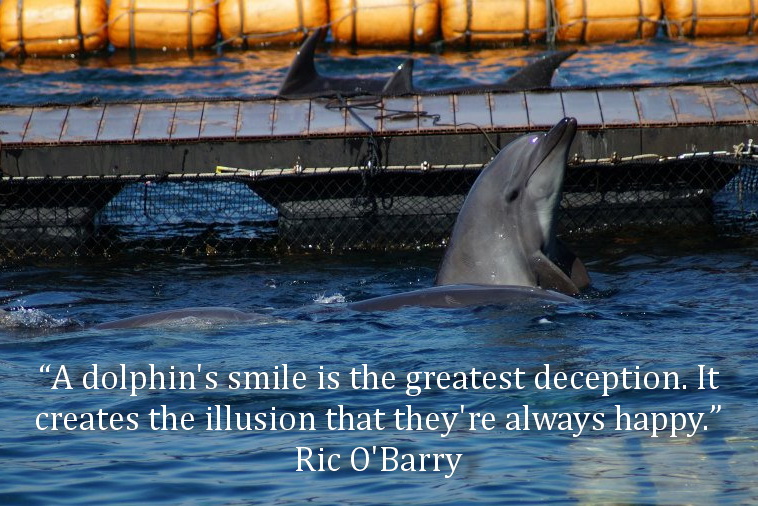
Is captivity more stressful for dolphins than other animals?
Yes, dolphins are sonic creatures—their primary sense is sound.
If you go to the zoo, take a look at the reptile exhibit and find a snake. You’ll see that the snake is given more consideration than the dolphins at Marineland. You’ll see that the snake has got tree limbs to climb on, he’s got rocks to hide from the public if he wants to, grass—there’s always something natural about the snake’s habitat.
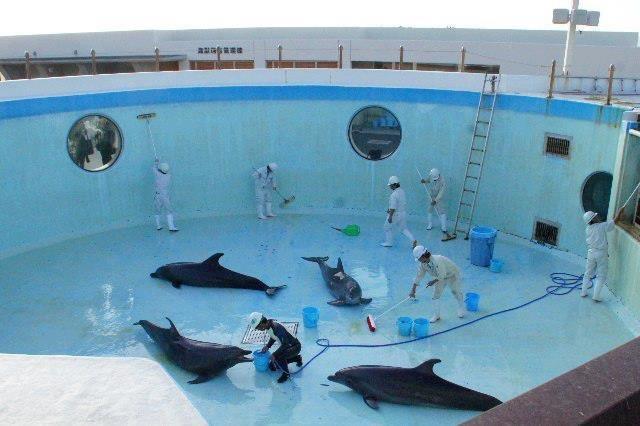
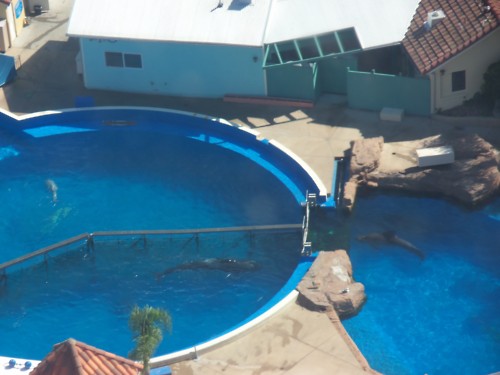
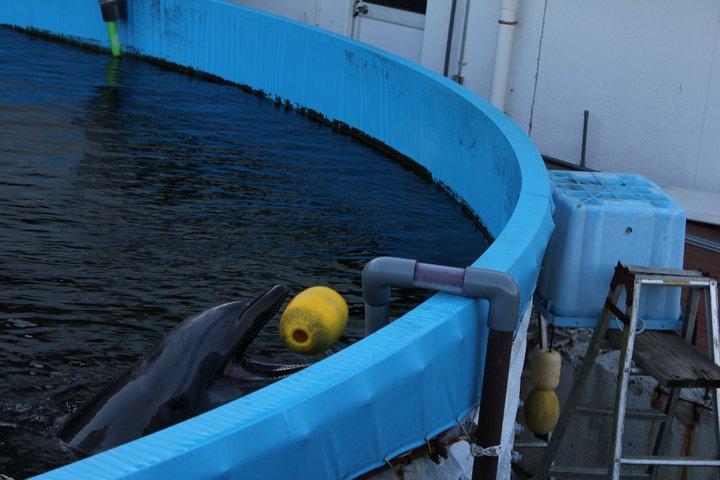
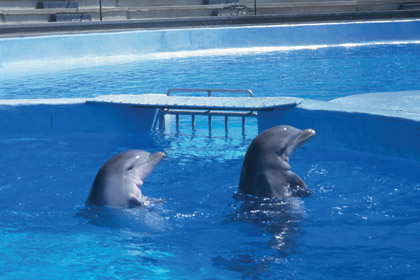
But if you look at the habitat of a captive dolphin, you’ll notice there’s nothing there. It’s just a blank, concrete box. Is that stress? Of course it is.
Why can’t marine parks create better environments for dolphins?
It’s really not what’s best for the dolphin; it’s about getting people to come and watch a show, and then getting another group of people to watch the same show.
The dolphins are separated from the natural rhythms of the sea: the tide, the current, the sounds of the sea, the things we take for granted. All of that is missing. That is what we call sensory deprivation. That makes it more stressful for them than other animals in captivity.








 Voice For The Blue