Minds in the Water … Another must see!

Minds in the Water – 5 years in the making, Minds In The Water is the story of one surfer’s international journey to help protect dolphins, whales and their ocean environment. Shot on location in Australia, the Galapagos, Chile and Japan, the film captures a key moment in one person’s life when apathy is no longer an option. Pro surfer Dave Rastovich went from observer to activist when he embarked on a personal mission to help stop the worldwide commercial slaughter of dolphins and whales. While unsure at first, Rasta quickly found his activist sea legs and helped build a core team of filmmakers, journalists, musicians, eco-pirates and celebrity surfers to help spread the message. All this has been documented in the film, Minds In The Water. (Source)

Thought for the Day

Ghandi quote

“I know that some members of the captivity industry have made the point that in captivity these animals are fed fish and they don’t need to deal with the stress of capturing their own prey. But in fact, being fed dead fish can be a stress. In the wild, they really enjoy the opportunity to collaborate with each other and catch prey and travel with their companions, and basically work for their prey. In captivity, all of that stimulation is taken away. There is a lot of scientific evidence that shows that dolphins and whales — both wild-born and captive-born — exhibit a lot of psychological abnormalities in captivity.” Lori Marino. Behavioral neuroscientist at Emory University

Wild & Free vs. Captivity & Imprisonment

In the wild vs. in captivity ( information credited to – the Animal Welfare Institute http://awionline.org )

In The Wild… In Captivity…
Each day, dolphins travel up to 40 miles and orcas travel up to 100, feeding and socializing with other members of their pods. Pods can contain hundreds of individuals with complex social bonds and hierarchies. Cetaceans are housed in small concrete or glass enclosures with no chance to swim for very long or dive deep distances.

Sometimes they are housed alone without opportunities for socialization, or they are forced to be with other animals and even species with whom they would not naturally have close contact.

Dolphins are naturally energetic, playful and inquisitive. When tasked with entertaining tourists all day, with nowhere to escape, dolphins often become bored, frustrated and aggressive.
Cetaceans spend approximately 80-90% of their time under water. They have the freedom to perform natural behaviors on their own terms. Dolphins are forced to perform artificial activities such as “walking” on water, jumping through hoops, and nodding their heads on cue.
Whales and dolphins eat a variety of fish, squid and octopi species, as well as smaller mammals.

Orcas and others work in groups, utilizing complex strategies to locate their prey. Some dive thousands of feet in search of food sources.

The animals are given a staple diet of dead fish, often as positive reinforcement during training, with no opportunities to utilize their sophisticated hunting techniques.
Cetaceans live in complex societies with their own cultures and dialects, maintaining close family ties with grandparents, aunts and uncles. Some remain in the same pods for life. Individuals are violently removed from the wild, with no hope of ever being reunited with their families. Captive animals are withheld forever from the wild gene pool.
Whales and dolphins live in a world of sound.

They rely on echolocation as their main form of communication and use sound to find mates, migrate, communicate, stay at or return to a favored feeding area, nurse, care for young, and catch and escape prey.

Animals are forced to listen to filtration systems, pumps, music and people clapping and yelling on a regular basis.

Their concrete and/or glass enclosures also manipulate sounds, so even if two individuals are housed together, their communication is warped.

Cetaceans are surrounded by other sea life and are an integral part of the marine food web.

Whales and dolphins have evolved for millions of years in the oceans, and in most cases, they are the top predators.

Artificial captive environments are sterile and lack stimulation. The animals’ water is chemically treated with chlorine – though they still suffer from bacterial infections that can be deadly.

The highly chlorinated water can also cause irritation and even blindness.


  • Activities like beaching themselves in aquatic shows contrast with dolphins in the wild that  never would beach themselves. Scientists believe that this is extremely harmful because dolphins resting on their bellies over a hard surface, will eventually damage their internal organs.
  • By withholding food, some trainers coerce dolphins into repetitive and unnatural behaviours, performing ‘tricks’ for the public. Hunger forces the dolphins to ignore their most basic natural instincts. They are even trained to beach themselves, despite the danger of doing so.
  • The mortality rates and abnormal behaviours of captive dolphins prove that a lack of stimulation causes them terrible stress. Swimming listlessly in circles is just one common indictor of boredom and psychological distress.
  • Space is also an issue – pools are miserably small for large, far ranging animals that would swim up to 50 miles a day in the wild. The shallow waters expose dolphins’ delicate skin to painful sunburns.
  • Dolphins in the wild spend approximately 80% of their time deep below the surface exploring the depths of the ocean. The need for continuous movement of Wild dolphins is one of the reasons that critics of captivity are using as arguments to request the release of dolphins in captivity.
  • Many dolphins do not survive the trauma of capture. Of those that do, 53% die within three months of confinement. Captive dolphins also suffer and die from intestinal disease, stress-related illness and chlorine poisoning.
  • ‘Swim with dolphins’ programmes cannot guarantee the safety of people interacting with dolphins, even those bred in captivity. These powerful animals are often stressed from being in a confined space. Unsurprisingly, accounts of deliberate and inadvertent human injuries caused by captive dolphins include broken limbs.
  • Dolphins in captivity are not trained, they are conditioned to perform “tricks” from being starved and only fed twice daily and generally only when performing “tricks”


A very informative video about Dolphin & Whale captivity.

After watching this video – Take the Pledge Not to Buy a Ticket to a Dolphin Showclick here

Help the Marineland Whistleblowers

Marineland whistleblowers need your help!

To date, 15 ex-employees have bravely spoken out about Marineland’s poor treatment of animals; and now the corporation has taken legal action against two. On Oct 17th, Christine Santos was fired after not signing a document that included a statement she’d never seen animal abuse at the park. Shortly thereafter, Marineland served a $1.25 million defamation lawsuit against the former trainer for telling the Toronto Star a killer whale was sporadically bleeding from its tail. Kiska, Marineland’s lone killer whale is now without her most trusted trainer. On Feb 13th Marineland launched a separate suit against Phil Demers citing $1.5 million in damages, with more suits expected.

If you are able to please consider making a donation by clicking here  Any and all proceeds will be provided solely for the expenses incurred in defending any whistleblowers and any unused proceeds will be dedicate tot he continued avocation for Ontario’s captive animals.

Tweet Storm for Marineland Whistleblowers March 20, 2013 click here  for the Facebook page and more information

Spread the word: Tweet storm for #marineland #Whistleblowers on March 20 #SaveMarinelandAnimals

Support Marineland Whistleblowers by signing this petition: Save Marineland Animals

Watch this informative video – Behind the scenes at Marineland – Phil Demers former Marineland Trainer

For all the animals of Marineland!

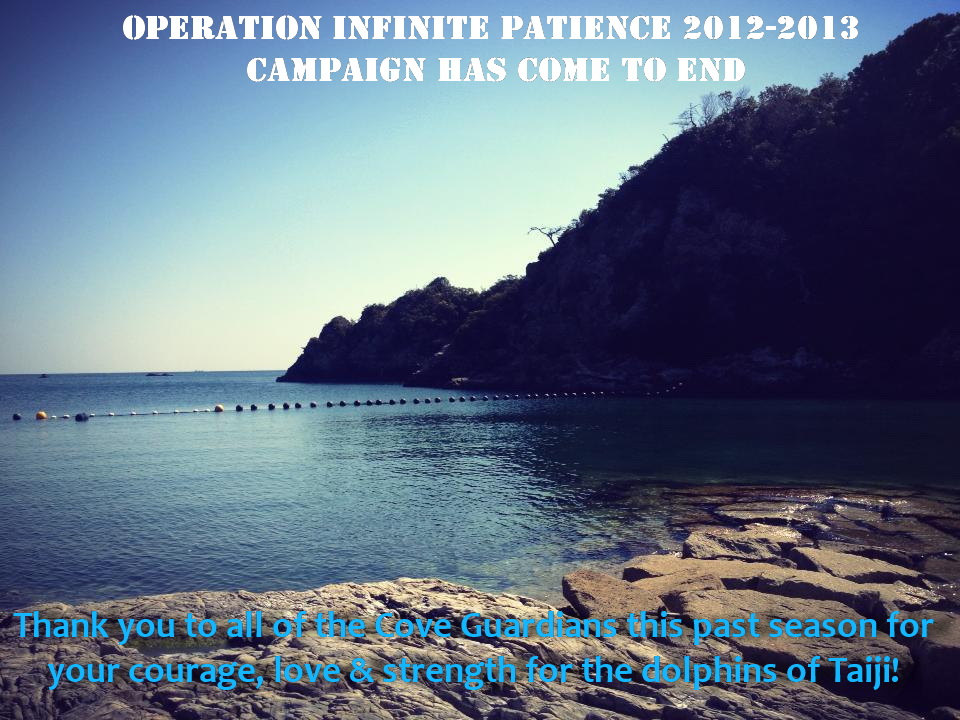
Opertation Infinite Patience 2012-2013

CG OIP

To read the most recent and past Cove Guardian reports please click here

Facebook – Sea Shepherd Cove Guardians

Twitter – @CoveGuardians

Email – coveguardian@seashepherd.org if you are interested in becoming a Cove Guardian for next season

cove guardian logo2

1876_10151779292794616_1726133112_n

For the dolphins!

Thought for the Day – Captivity

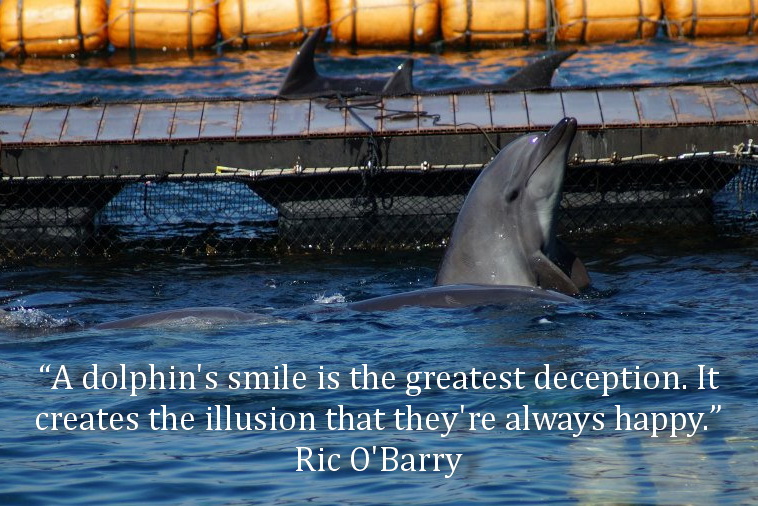
Dolphin Smile

“What’s wrong with captivity?  The capture, bring them into a concrete chlorinated box, reducing them to circus clowns and then selling this as educational to the public.  And I think it’s extremely dangerous. This issue for me is not just about the dolphins. There’s about a thousand in captivity and it’s more about the millions of people who go and see the show, go and see Shamu. They’re learning, it is educational, they’re learning, however, that  it’s okay to abuse nature. That’s what they come away with that these – it only serves – the Shamu experience or the captivity experience only serves to perpetuate our insidious, utilitarian perception of nature and it’s an issue about education. To teach a child not to step on a caterpillar or a butterfly is as important to the child as it is the butterfly. And that’s what’s wrong with it. – Ric O’Barry

DolphinProject

Please click here for more information on Ric O’Barry’s Dolphin Project

Whale Wars Heating Up In Antarctica

The dolphin drive hunt in Taiji has finally come to an end for 2012-2013 season, however Japan is unfortunately still on their quest of killing whales. The war currently being played out in Antarctica has the Japanese attempting to harpoon and kill whales in the Southern Ocean Sanctuary under the guise of “research” and for commercial purpose.

Sea Shepherd volunteers are currently risking their lives for the whales, as can be seen in the following video.

It is alarming that the Japanese whalers will go to such lengths in their attempt to continue whaling in Antarctica. This is simply a display of no regard for the safety of other human beings. I have watched every season of Whale Wars and am still astonished at what is currently happening! It is highly reminiscent of when the Japanese whalers intentionally ran over and ending up sinking the Ady Gil. You can see in the following video how the Japanese vessel intentionally turns into the Ady Gil, thankfully no one was injured.

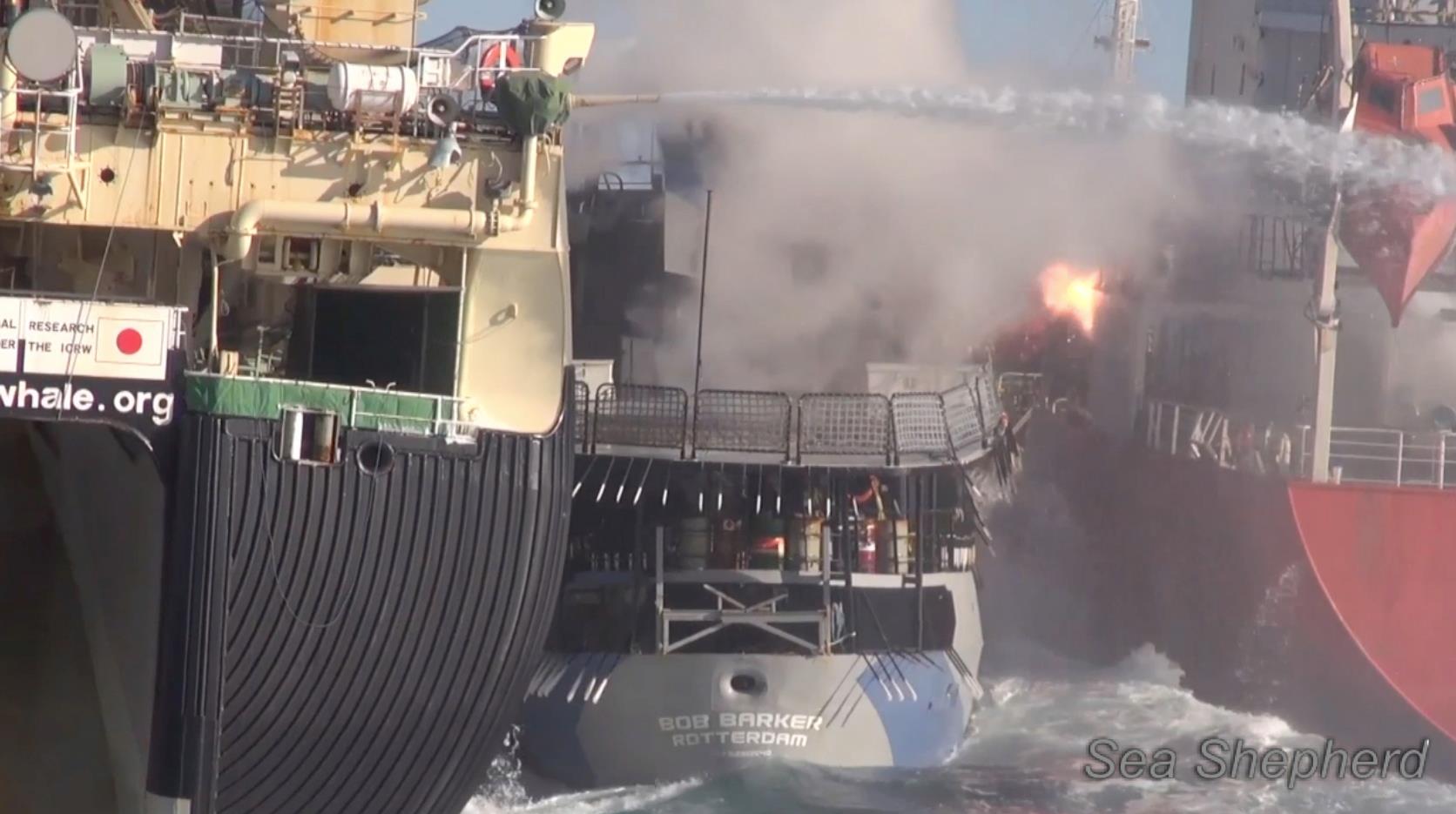
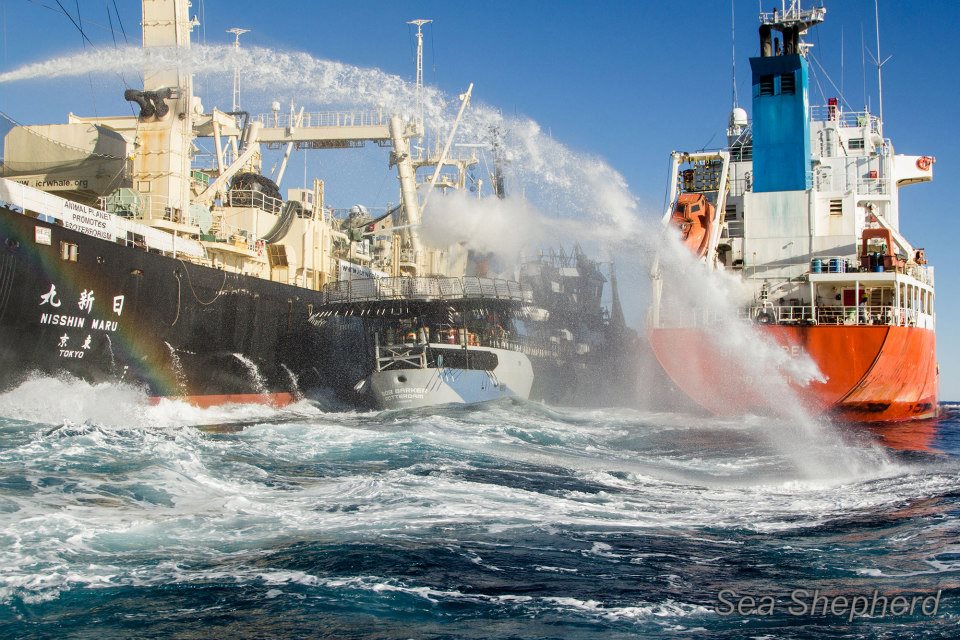
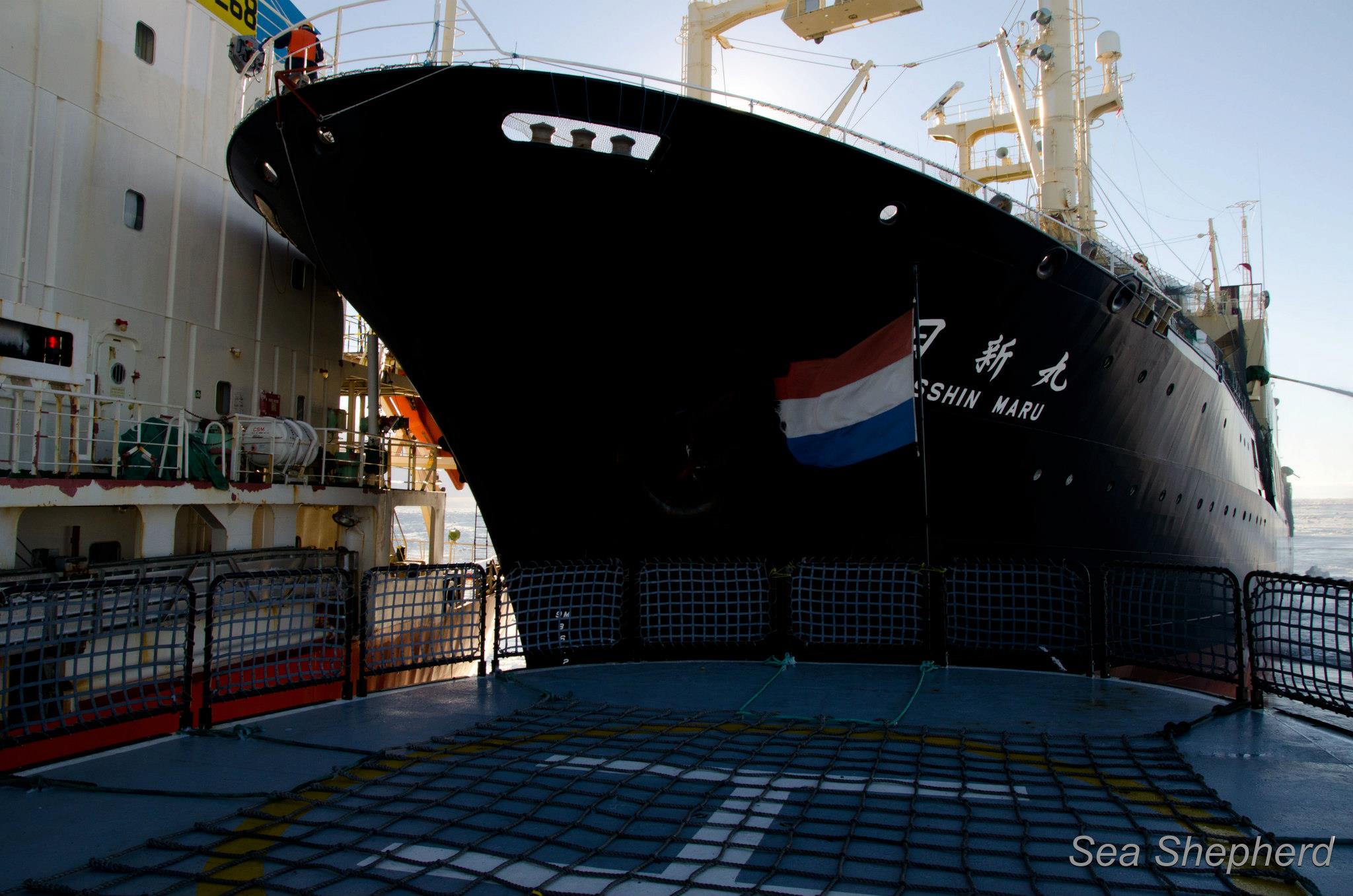
The Nisshin Maru repeatedly ramming all Sea Shepherd vessels is an immediate cause for concern especially for the many courageous volunteers aboard all Sea Shepherd vessels currently putting their live on the line to save whales! Thankfully everyone is currently safe and no injuries have been reported.

The following photos courtesy of Sea Shepherd Conservation Society on Facebook, show just how close the Nisshin Maru comes to and then collides with the Bob Barker.


859489_10151462502998259_1744408383_o  551481_10151461798148259_2046134714_n

17625_10151461797893259_1849139061_n  856106_10151451447648259_1128818205_o


Via Sea Shepherd New Zealand Zero Tolerance Update. “All attempts by the Nisshin Maru to refuel yesterday failed. The Sea Shepherd ships held their ground. All attempts to kill whales yesterday failed thanks to our inflatable crews intervening. No refuelling or whaling today because it is extremely bad weather, freezing sleet, high winds, heavy seas. Good for us, bad for them. We love bad weather down here and thankfully there is a lot of it and it will become worse each day until the conditions force the poachers from the Southern Ocean Whale Sanctuary by the Ides of March. The Japanese Defence Force ship Shirase is keeping their distance. The Steve Irwin and the Bob Barker continue to tail the Nisshin Maru and the Sam Simon continues to tail the tanker Sun Laurel. The Shonan Maru and the three killer boats are scattered about, everybody just wasting fuel and going nowhere which works for us. As intense and as tough as this campaign has become, it is also the most effective season we have ever undertaken. Last year they took 26% of their kill quota. The year before that they took only 17% of their kill quota and this year it will be much lower than 17%. These poachers are going to have a very light load to take back to Japan and their efforts will be once again – a financial disaster”

For the whales!


The End … of 2012-2013 Taiji Dolphin Hunt!

It’s OFFICIAL … the slaughter season Sept 1, 2012 to February 25, 2013 is finally over! And what a relief that it has finally come to an end, as reported by the Sea Shepherd Cove Guardians currently on the ground in Taiji.

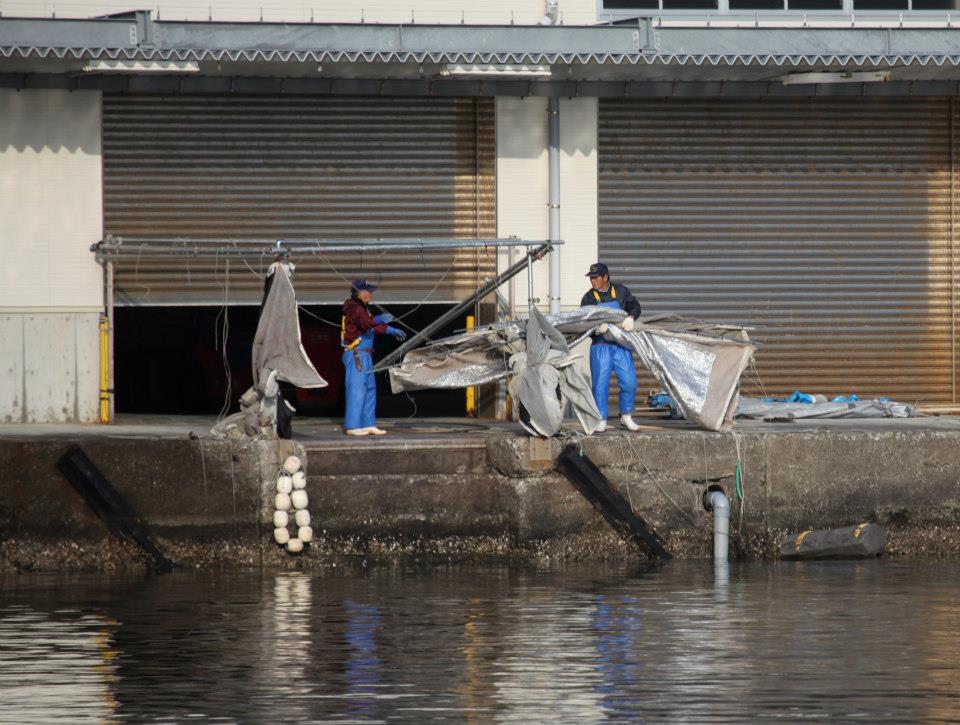
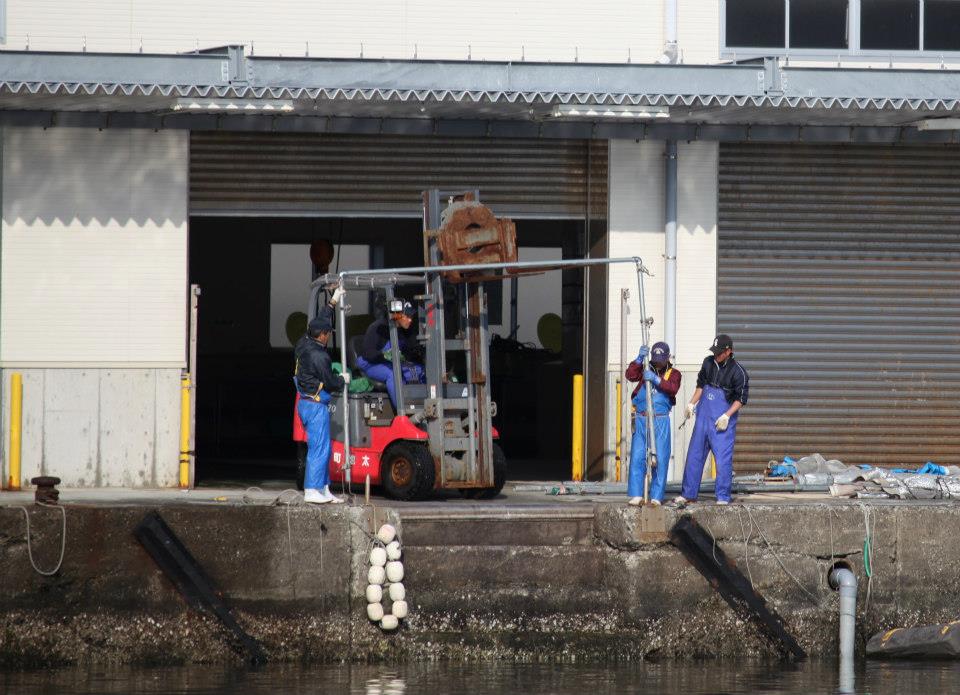
The killers take down “death door” of the Taiji butcher house, where hundreds of dolphins and pilot whale bodies were dragged through and then dismantled for human consumption.
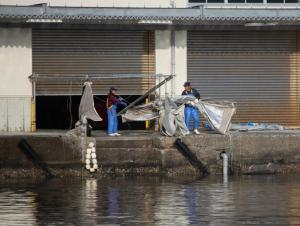
535655_165076756975896_348088990_n

Photo credit SSCS Cove Guardians

540995_165076783642560_1900155607_n

Photo credit SSCS Cove Guardians

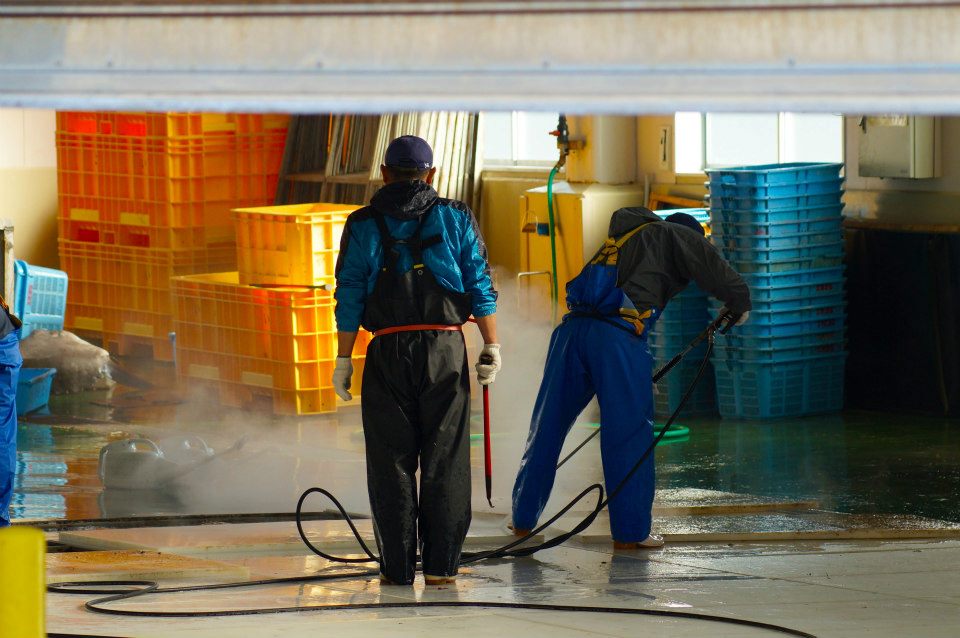
Then then the clean up inside begins … washing away blood, that was still present on the kill floor.
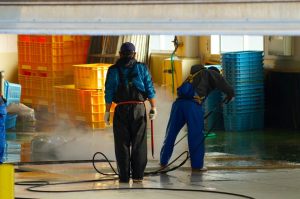
385924_165076670309238_1910459750_n

Photo credit SSCS Cove Guardians

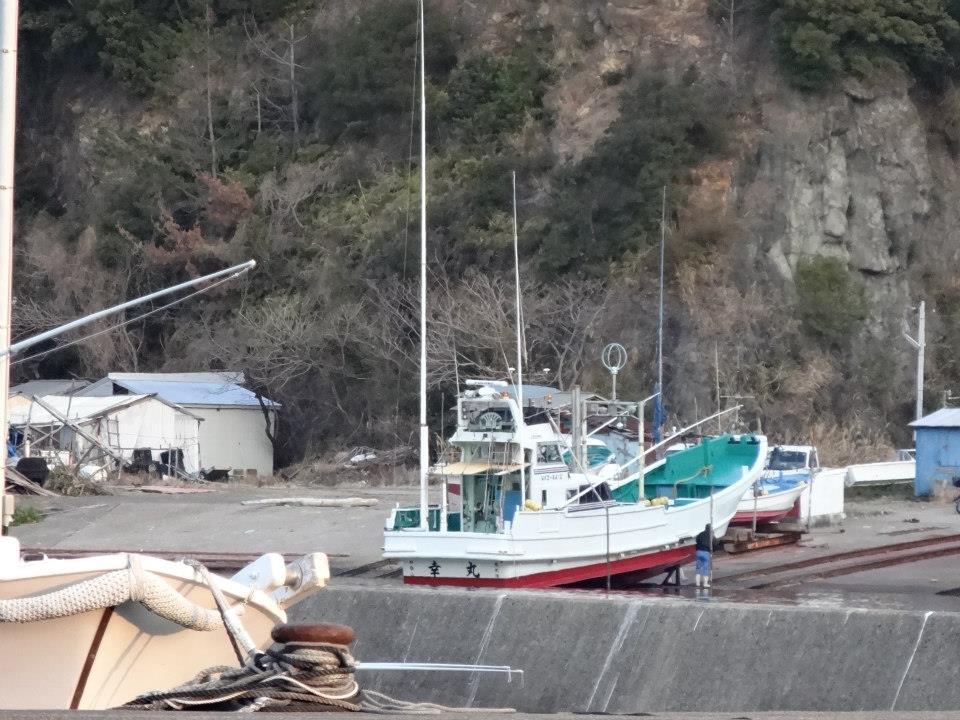
While the dolphin drive season has ended, the killing unfortunately does continue year round. Some boats, such as the one seen below are dry docked and maintenanced. The dolphin killers remove the banger poles but leave them inside the boat to use during the off season. The killing boats are permitted to hunt pilot whales until May and also assist local fisherman with harpooning dolphins during the offseason.
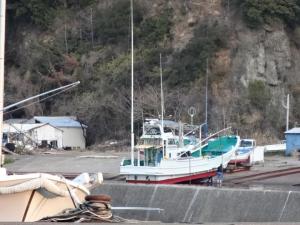
554903_165076616975910_1474306072_n

Photo credit SSCS Cove Guardians

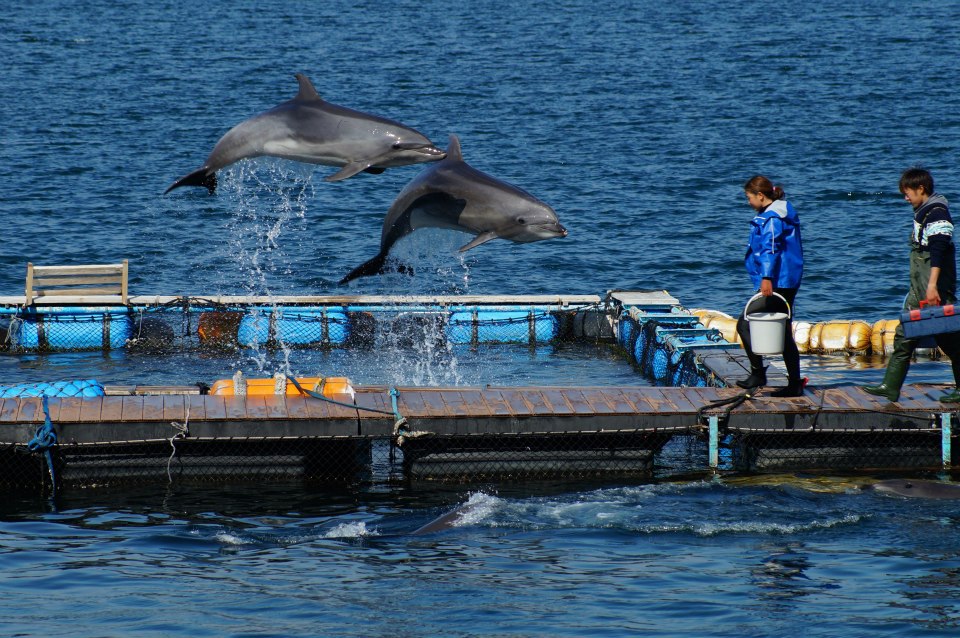
Even though the 2012-2013 hunt season has officially come to an end … I will not be able to forget the many dolphins taken captive this season who are deemed to live out their lives in a small pool performing tricks for survival, food and most of all … Human Entertainment.
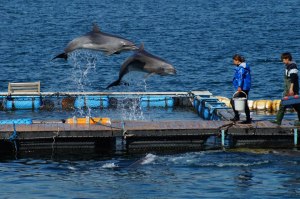
207262_163918873758351_1255695670_n

Photo credit SSCS Cove Guardians

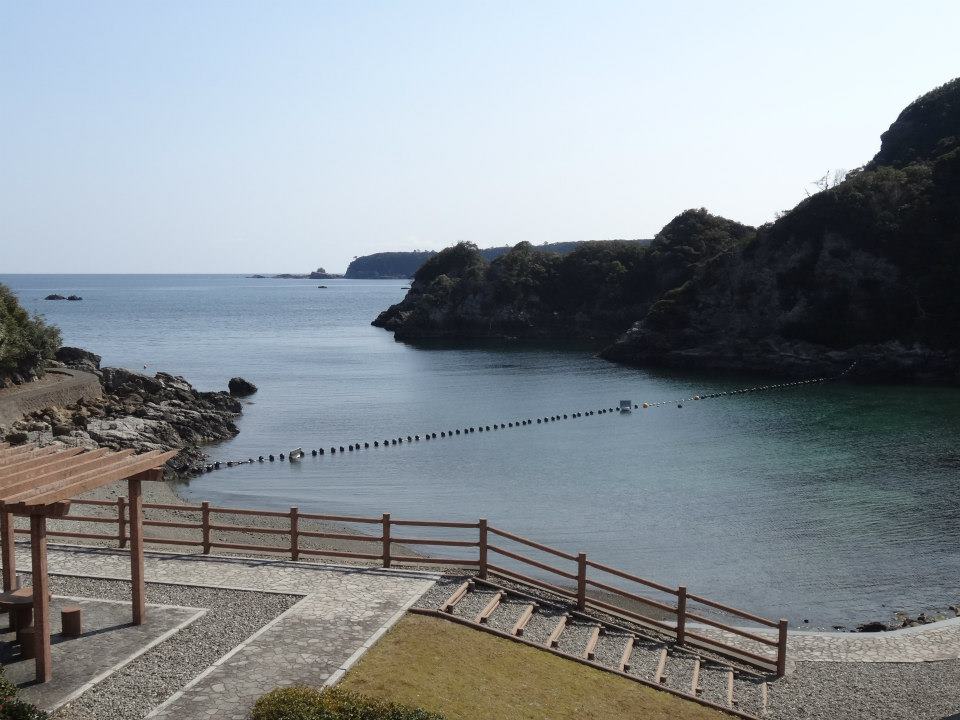
Now only one net remains at the cove and this is the view a tourist would see from the view. What a beautiful place this could be if it were not for the thousands of dolphins inhumanely slaughtered here each and every year.
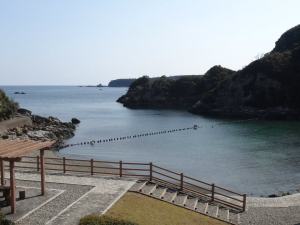
24285_165076600309245_446077013_n

Photo credit SSCS Cove Guardians

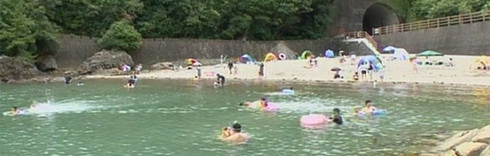
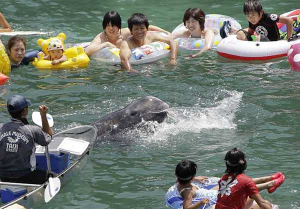
In the summer months, the infamous cove is filled with people. How someone would be able to swim in the waters of this dark ominous place baffles me. Perhaps it is because they unaware of what occurs here each year between September and March, but then again maybe they are aware? I’ll leave that debate up to all of you.
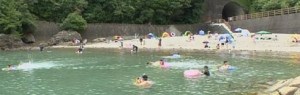
cove-beach-maybe

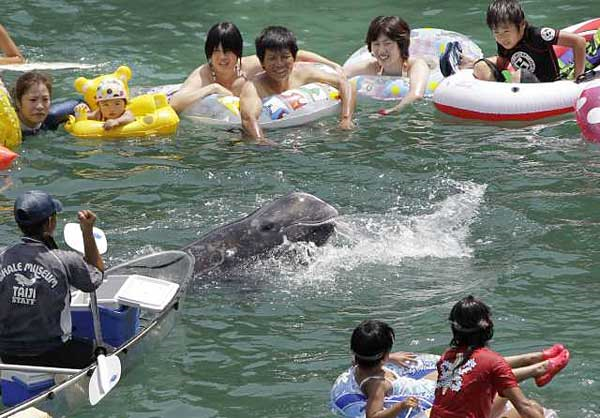
What is also heartbreaking is that there is often a captive dolphin taken to the cove. This unfortunate dolphin has to return to the place where it’s life was forever changed after witnessing the slaughter of the majority of it’s podmates and then being torn from a life of freedom in the wide open ocean.

Perhaps it appears that people are having a good time, but really, look at that Risso dolphin … terrified and alone surrounded by unfamiliar people in an all too familiar place that represents the horror of Taiji!
untitled

“Confining marine animals to tanks and separating them from their families and their natural surroundings, just so people can watch them swim in endless circles, teaches us far more about humans than it does about animals – and the lesson is not a flattering one” Pamela Anderson

For the dolphins!
Taiji Action Day for Dolphins Online Protest February 22, 2013

On 22 February 2013 there will be an International Taiji Action Day for Dolphins and many cities all over the world will be hosting peaceful protests outside Japanese Embassies.

Those of us who do not live near a Japanese Embassy are participating in an online protest.  While it’s not quite February 22 here where I live, I know its already February 22 and mid morning in Taiji already so why not get this online protest started!

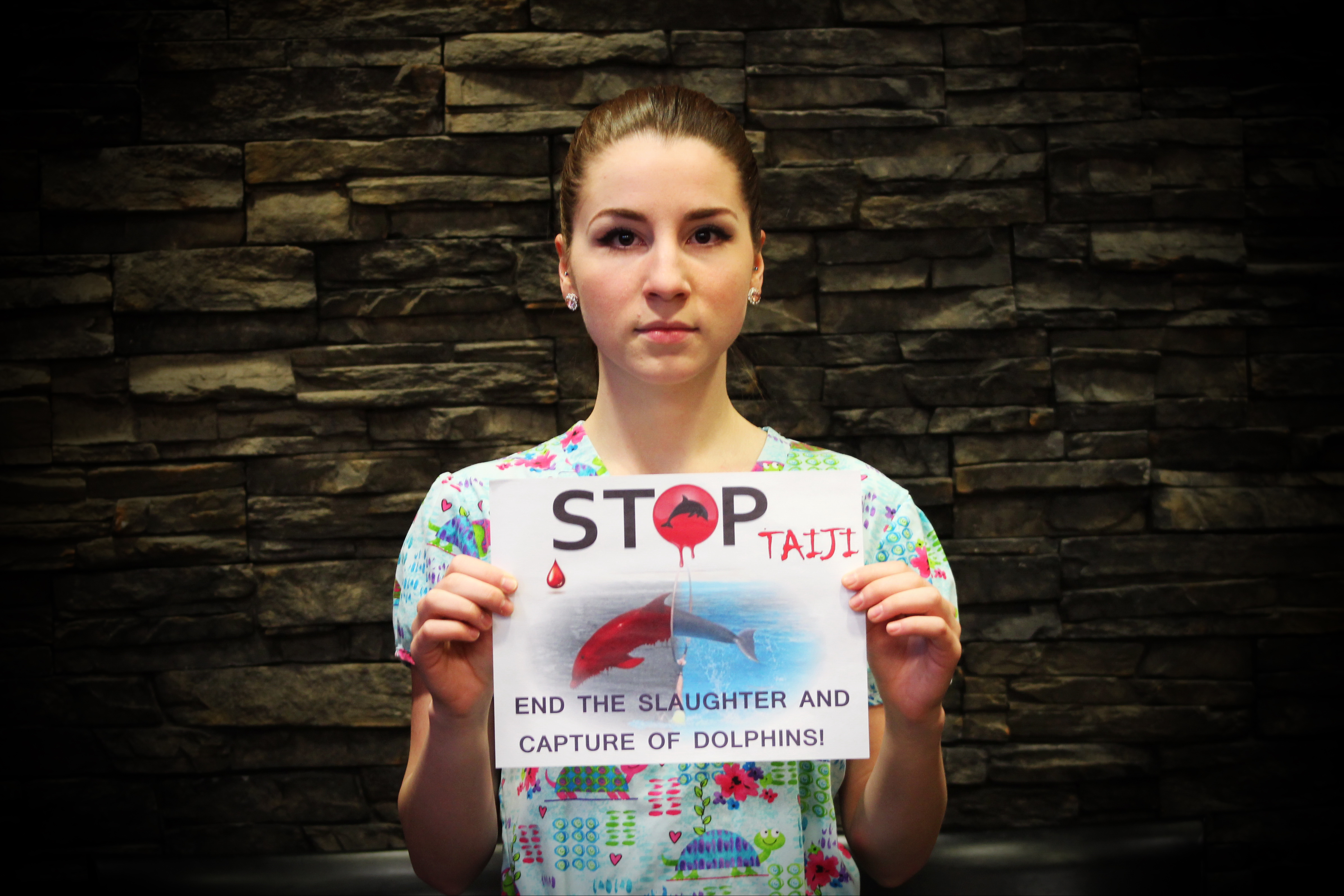
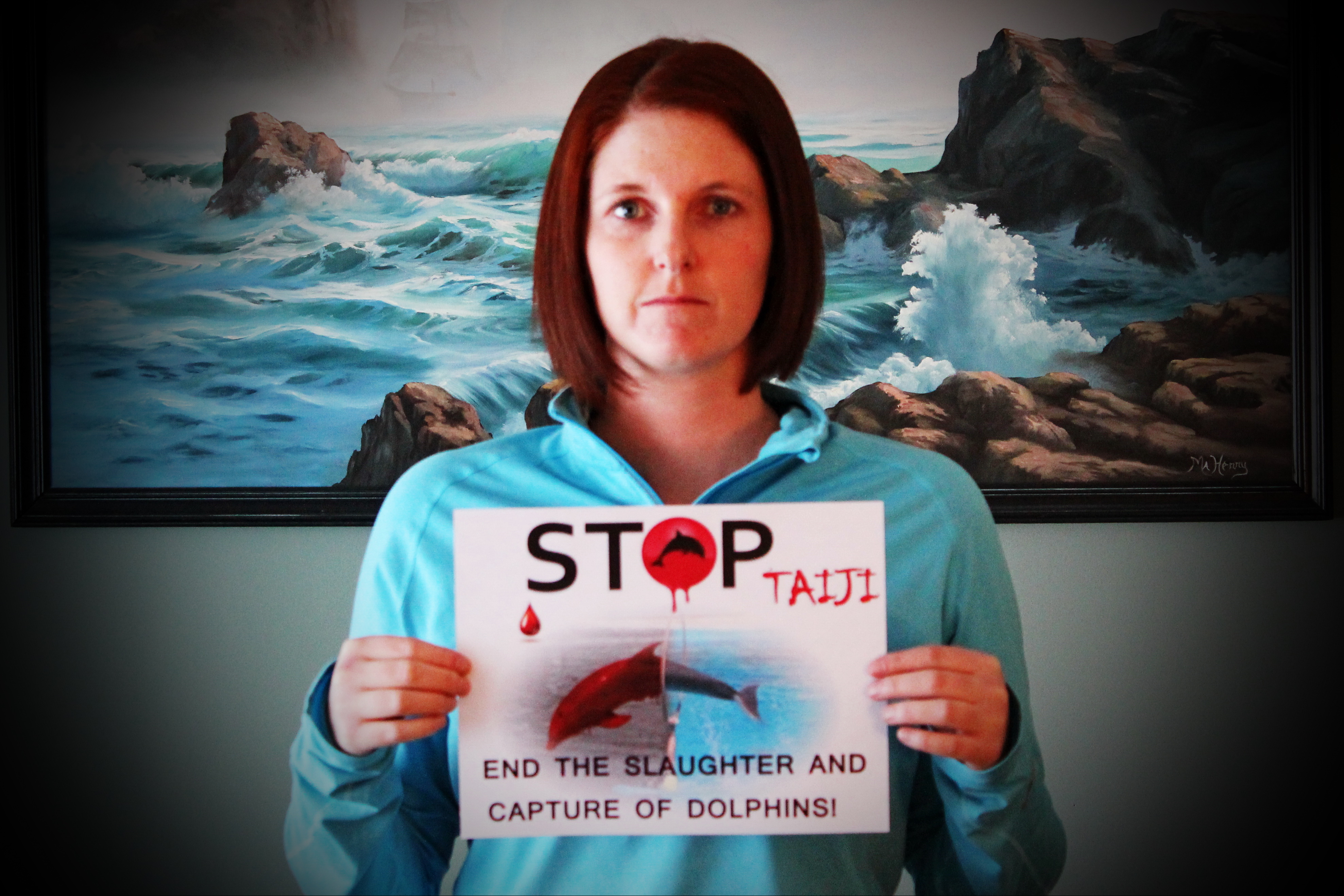
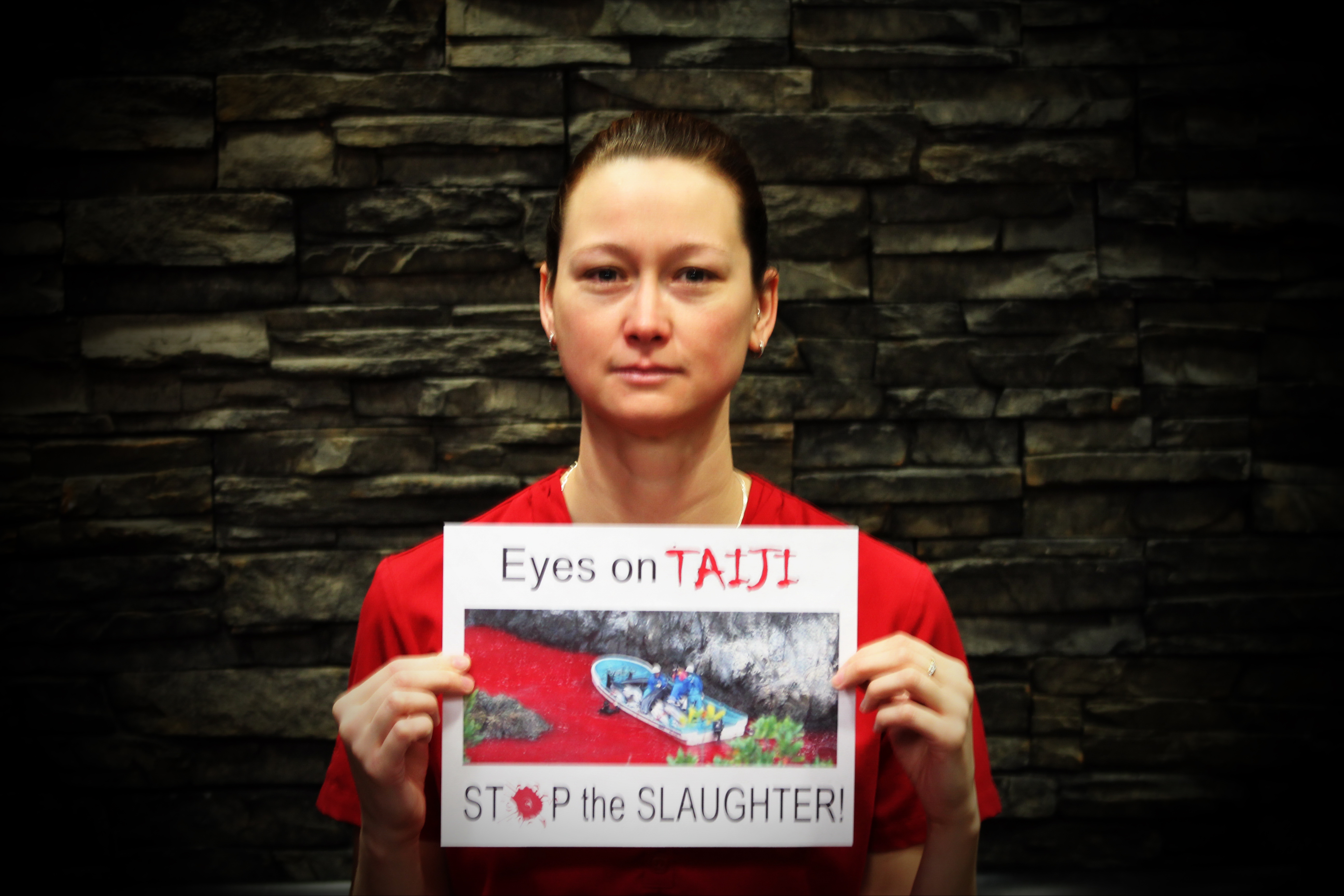
The  Taiji Action Day for Dolphins 2013 Online Protest on Facebook provided all the information needed to participate in the protest. And simple enough it was, download the four posters provided (or create your own) take a photo of yourself holding the poster and email it to taijiactionday2013@gmail.com prior to February 28. They will forward the messages to Japan and the Fisherman’s Union and the Olympic Committee so that they hear our voices LOUD and CLEAR!

In addition to this I will also be forwarding my message to the Japanese Embassy in Ottawa Canada: H.E. The Ambassador, Mr. Kaoru Ishikawa, Embassy of Japan in Canada, 255 Sussex Drive, Ottawa, Ontario, K1N 9E6, Canada Tel: 613-241-8541, Fax: 613-241-7415, Email: infocul@embjapan.ca

I also suggest taking a minute to sign the following petition: Challenge Japan to End Taiji Dolphin Hunt for Tokyo 2020 Olympic Bid

When I initially heard about the online protest I knew instantly that I would be participating and then I was thought how I could manage to get more people involved and create a greater awareness of this great cause? I decided to mention it to my co-workers and pleasantly surprised when all of them did not even hesitate at the chance to participate as well. So in the end I was an initial voice for the dolphins and managed to bring along 9 of my friends who are also my co-workers! A huge thank you to all of the women I work with on a daily basis at Capital Corner Dental!! It means the world to me that all these women took the time to participate in a cause that is very dear to my heart! You should all be proud of yourselves for being a voice for the dolphins!

Lovin

Lovin

Renae

Renae

Mel

Mel

Carynne

Carynne

Lexie

Lexie

Kelsey

Kelsey

Ashley

Ashley

Amy

Amy

Jen

Jen

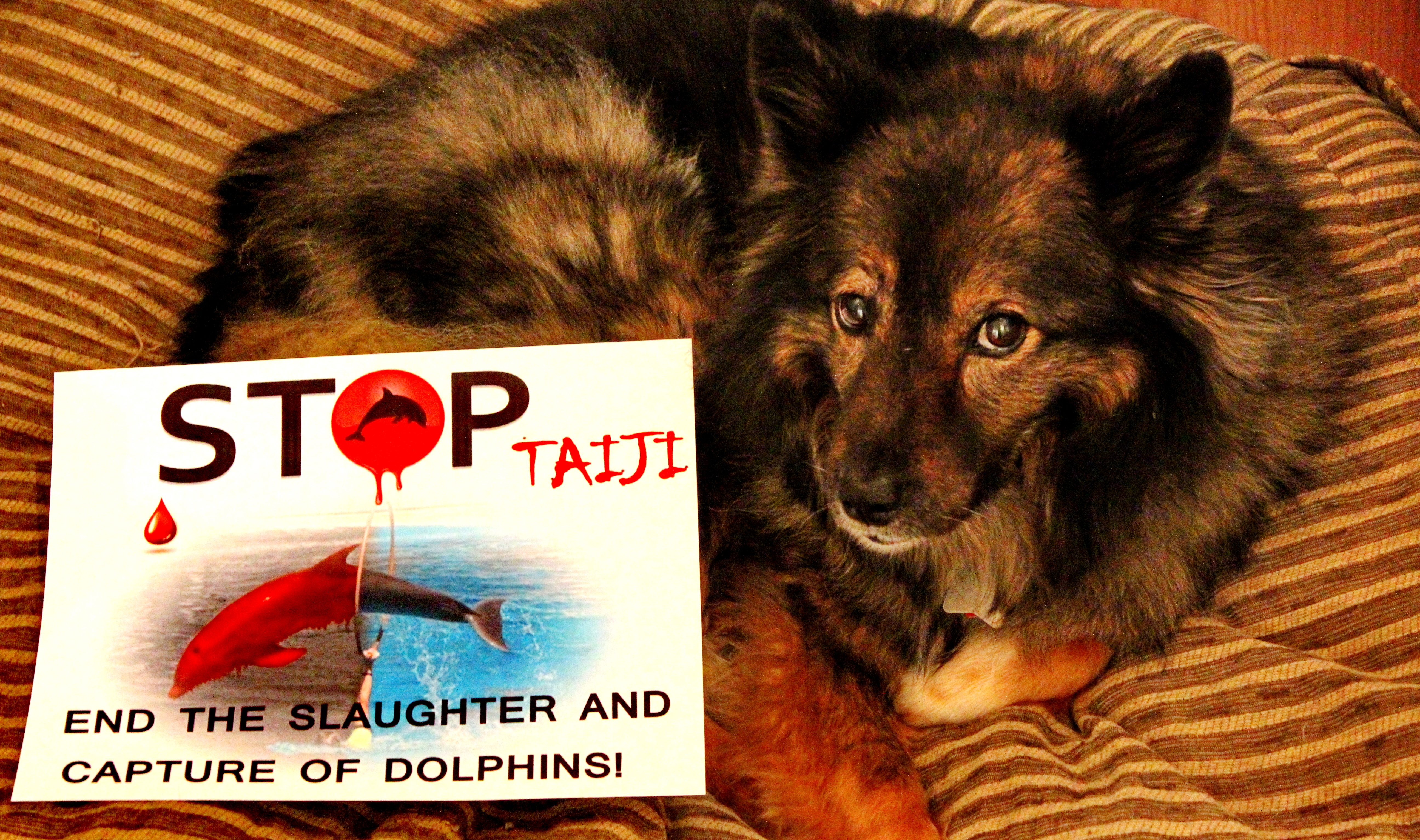
Of course I could not forget or resist including my dog, Abby, who is also proud to be a voice for the dolphins!

Abby

Abby

And lastly, myself, the person behind Voice for the Blue and I will always be a voice for the dolphins!!

Mel2


Day 4 of a Blue Cove … let us not forgot the others though

Excellent news today of a Blue Cove for 4 consecutive days!! However, before we celebrate let’s not forget about the dolphins being held captive in the Taiji Harbor pens.

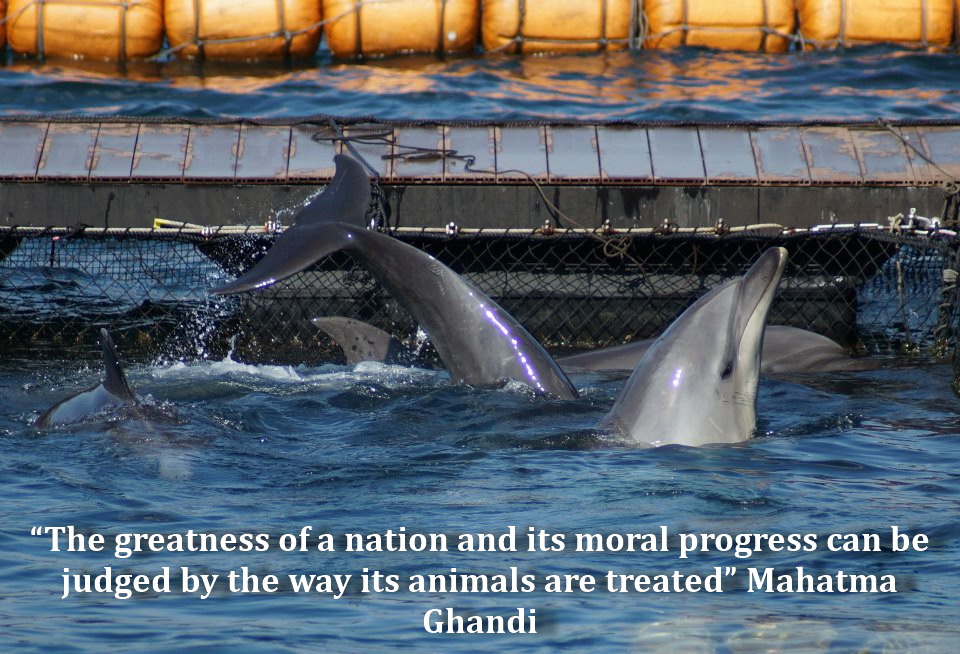
These dolphins have been ripped from a life with their families, most having just witnessed the majority if not all of their pod being slaughtered within the cove. Now, they are confined to a life of imprisonment and to solely provide entertainment for humans.

419650_121085998041639_346487572_n

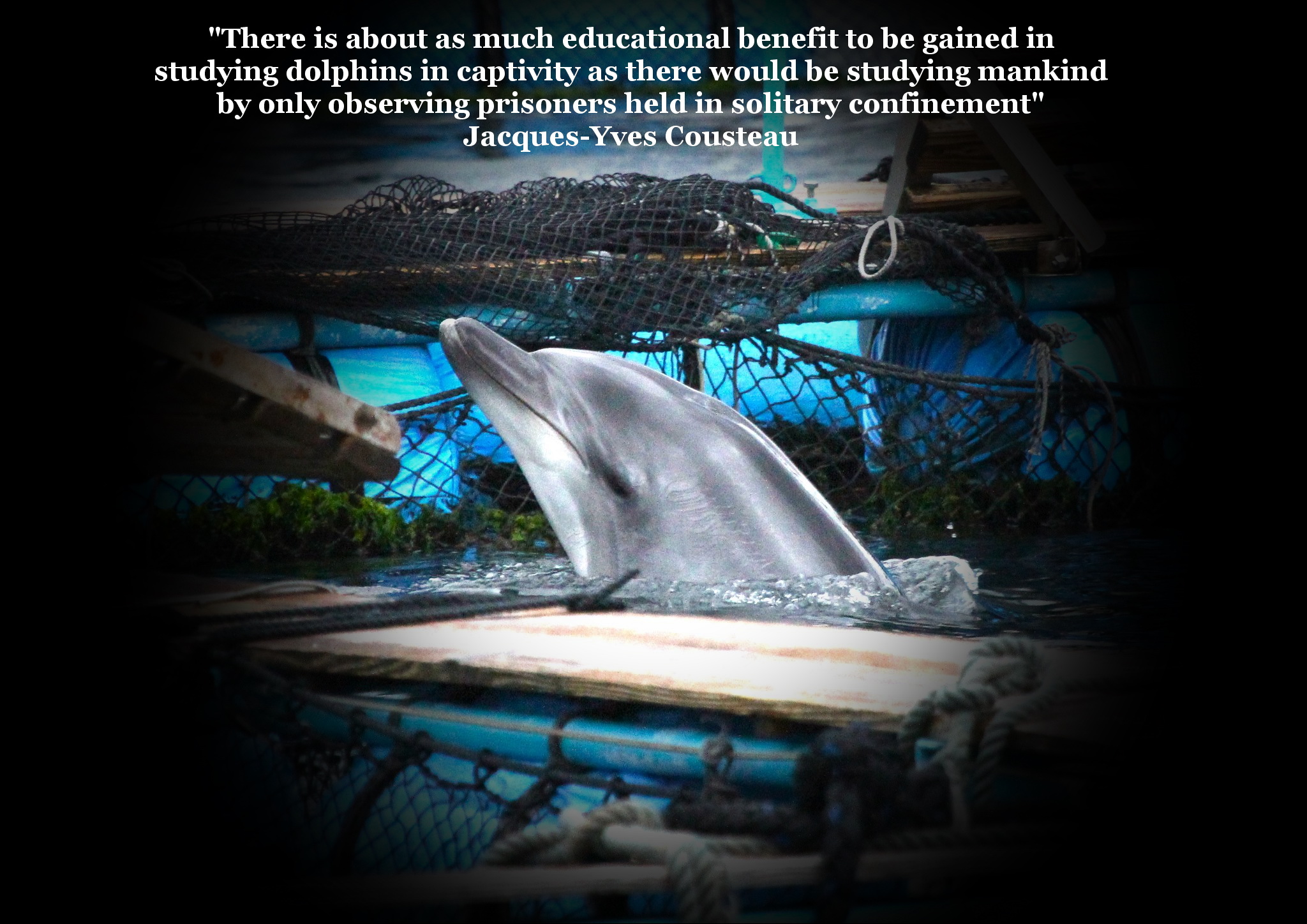
How heartbreaking is to see this dolphin starring out of the nets at the open ocean? Confined to a harbor pen that in reality is probably not much larger than my kitchen! Those dolphins taken into captivity go from having the entire ocean as their daily playground, to spending the rest of their lives in a tiny pen, tank or pool!

ImageProxy

At first glance it may appear to those who are unfamiliar with this situation that these dolphins are enjoying themselves, having fun, playing, etc. But let me ask you this … do you know why a dolphin goes from starring out of the net of the that tiny pen, to suddenly jumping up and down? Why is it that dolphins in captivity perform the tricks they do?

The answer is plain and simple … not because they want to entertain us … because they have to in order to survive and be fed. The dolphins held in the Taiji Harbor pens are only fed twice a day and only if they perform for the trainers. Whereas, in the wild an adult dolphin will eat anywhere from 22-50 lbs. of fish per day.

823452_4970593536598_307461750_o

I want to share with you a brilliant analogy of the training of a captive dolphin to training your dog to sit or stay.

“Can you imagine your neighbor was trying to teach his dog to sit. He would starve him for a good two weeks and then he would continue to  deprive the dog of food and the dog would ONLY get food if he sat, or rolled over or jumped up and down on command. You would probably call this neighbor sick and report him to the SPCA. This is the ‘natural’ process of ‘breaking in’ a wild Dolphin so we humans can go watch them perform for us for a few bucks at the local aquarium or dolphinarium.” Grant Nash (who is currently in Taiji with the Cove Guardians)

I know that most people would never agree that training a dog this way is any way humane, so why is that some people support a local aquarium or dolphinarium? My belief is that for the most part people are completely unaware of how that dolphin you see at a place like Sea World, was trained, where it came from and how many other dolphins were slaughtered the same day that one dolphin you are watching was ripped from it’s family in the bloody waters of the Cove.

While a Blue Cove day in Taiji is always excellent news and 4 consecutive blue cove days even better news, today I will celebrate a Blue Cove while never forgetting the dolphins still imprisoned in the Taiji Harbor Pens.

For the dolphins!
Taiji Action Day for Dolphins 2013 – Online Protest

Given the fact that I live in Regina, Saskatchewan, Canada I unfortunately do not have the opportunity to attend in person one the many Global Taiji Action Days coming up on February 22, 2013.  Call of the Cove tweeted yesterday that there be would an online protest to participate and I was thrilled to have the chance to be involved with this day!

If you are unable to attend one of the many world wide Global Taiji Action Days then I suggest you check out Taiji Action Day for Dolphins 2013 Online Protest on Facebook. All the information is there on what to do and it is fairly simple and easy!

Mention it to your co-workers or friends … who knows they might just be willing to join in and take a stand for the dolphins of Taiji! All I had to do was mention it at work and was pleasantly surprised with how many people did not hesitate to participate!

For the Dolphins!!

182344_142525549231017_318897623_n