Only 69 days until Sept 1, 2013 and the start of the annual Dolphin hunt and slaughter in Taiji.
Please check out www.japandolphinsday.net to join an event near you or host your own event.

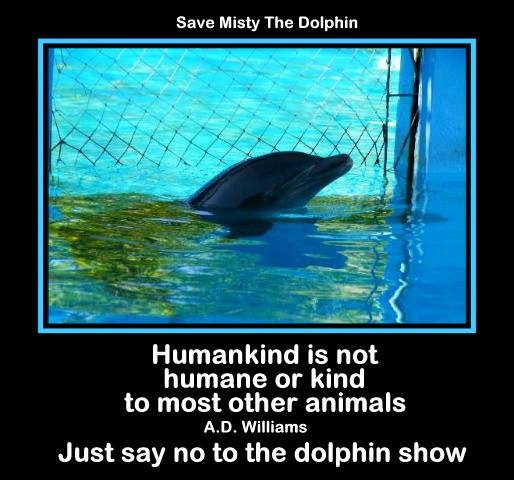
Only 69 days until Sept 1, 2013 and the start of the annual Dolphin hunt and slaughter in Taiji.
Please check out www.japandolphinsday.net to join an event near you or host your own event.
Are you considering a trip to Sea World? Before doing so, take a moment to watch the new full length trailer released by CNN films of Blackfish.
Blackfish is the Sundance decuting film about killer whales in captivity and their propensity of living up to their namesake.
The haunting footage revolves mostly around one whale, Tilikum, responsible for the very public and very horrifying death of a Sea World trainer in 2010.
Are these animals truly killers, or did we make them into killers when we stuck them inside a tank and made them perform for crowds? That seems to be the essential question at the heart of Gabriela Cowperthwaite’s unsettling documentary.
Watch the trailer for Blackfish:
Blackfish opens in limited release July 19. Here’s the official synopsis:
Many of us have experienced the excitement and awe of watching 8,000 pound orcas, or “killer whales,” soar out of the water and fly through the air at sea parks, as if in perfect harmony with their trainers. Yet, in our contemporary lore this mighty black and white mammal is like a two-faced Janus—beloved as a majestic, friendly giant yet infamous for its capacity to kill viciously. Blackfish unravels the complexities of this dichotomy, employing the story of notorious performing whale Tilikum, who—unlike any orca in the wild—has taken the lives of several people while in captivity. So what exactly went wrong?
Shocking, never before seen footage and riveting interviews with trainers and experts manifest the orca’s extraordinary nature, the species’ cruel treatment in captivity over the last four decades and the growing disillusionment of workers who were misled and endangered by the highly profitable sea-park industry. This emotionally wrenching, tautly structured story challenges us to consider our relationship to nature and reveals how little we humans have learned from these highly intelligent and enormously sentient fellow mammals.
In many animal societies, if a member of a group is gravely wounded or born with disabling deformities, that animal becomes an unsustainable burden on the others, and is often left behind at the mercy of predators, hunger and disease.
Not so with killer whales. They are among the few species in the world to look after members of their family who cannot look after themselves. Their patience and compassion for each other surpasses, perhaps, even that of humans
The most recent example of this extraordinary commitment to one another was revealed recently in the UK’s Daily Mail, which ran a story and photo essay of a disabled young male orca off the coast of South Africa. The disabled killer whale that is missing two fins is able to survive in the wild with the help of its family, who hunt food its food. The young killer whale has no dorsal fin or right-side pectoral fin, leaving it unable to hunt for itself.
These disfigurements make it impossible for the whale to hunt alongside his pod. Luckily for him, they are only too willing to hunt for their disabled pod mate.
Underwater photographer Rainer Schimpf came face to face with the pod while the members hunted in waters off Port Elizabeth in South Africa. He said: “Incapable of fast hunting and ambushing prey it has to be dependent on the pod which, one assumes, looks after it very well. It shows these mammals are not really just ruthless killing machines but they also have complex, caring social-structures in which they and care for their own disabled members.”
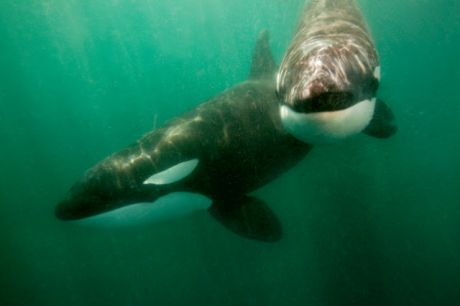

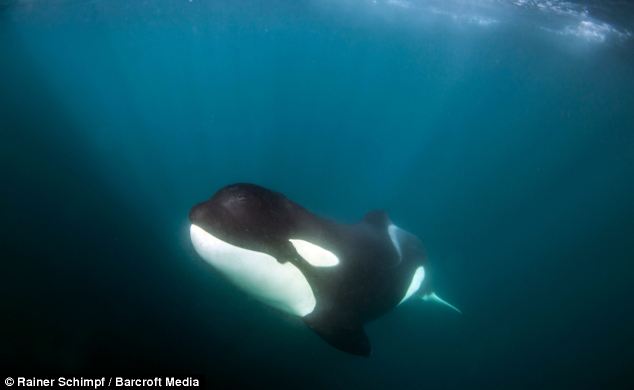
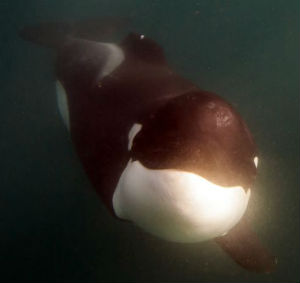
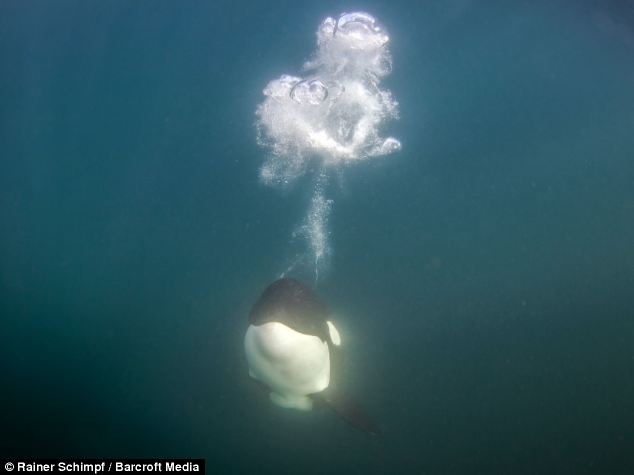
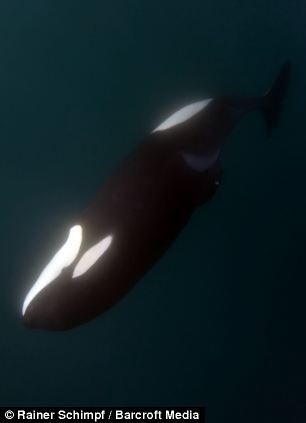
Of course, the more you learn about the intelligence, compassion and complex social bonds these amazing animals have developed over millions of years of evolution, the idea of keeping them locked up in tanks for human entertainment and profit becomes even more ludicrous.
Killer whales are highly social; some pods are composed of matrilineal family groups which are the most stable of any animal species. Killer Whales are notable for these complex societies. Only elephants and higher primates, such as humans, live in comparably complex social structures. It is because of these complex social bonds and society that one should wonder why we attempt keep Killer Whales in captivity.
Captivity is about separation and exclusion. It is about the destruction of families and communities. For wild caught animals, many watch their parents and family killed in front of them at a young age so that they won’t be able to put up a fight to defend them from capture. For the animals bred in captivity at Marineland, those parents routinely watch as their offspring suffer and die in infancy.
There are no heart warming stories at Marineland, Niagara Falls, Canada. There are endless sad stories, but none may be more pressing and sad than that of Kiska. Marineland’s last remaining Orca, Kiska was wild caught from Iceland in the 1980’s. At Marineland, Kiska is the longest serving resident and she has seen dozens of Orcas come and go – and estimated 14 other Orcas die. Of those 14, 5 of them have been her own children. The oldest surviving just 6 years. (Source)
Since the removal of Ikaika back to SeaWorld she has spent her days alone. Ex-trainers have spoken publicly about their concern for her and Marineland itself have gone on public legal record establishing their concern for the health of their lone Orca held in solitary. (Source)
Kiska’s story is the story of captivity. She has survived, but at what cost? Her life has been painfully sad, she is alone and completely dependent upon humans – humans who are only interested in her as an “asset.”
There is no human need to hold other animals in captivity. There is no human need to gawk at or to turn other animals into mere commodities and spectacles. Marineland Animal Defense fights to remove Kiska and all of the other animals at Marineland and to ensure there are no more captives!
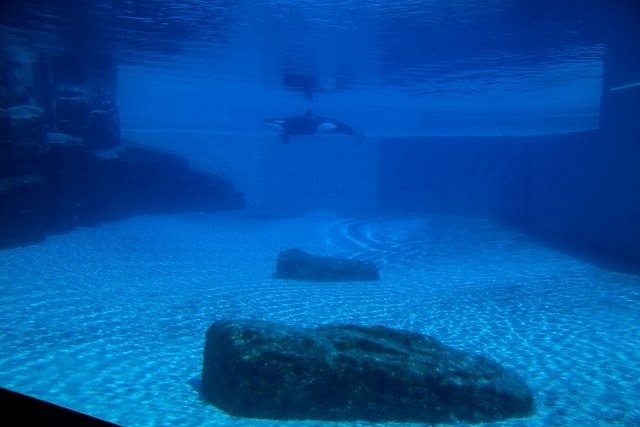
Kiska alone in her tank.
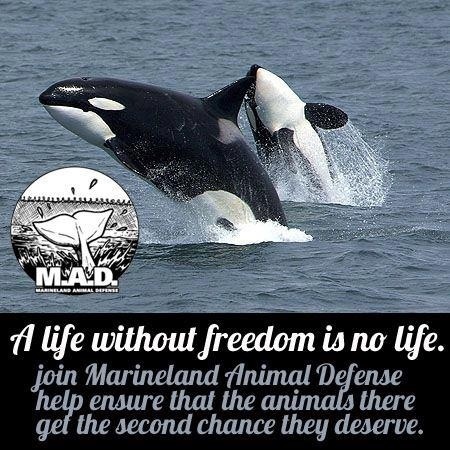
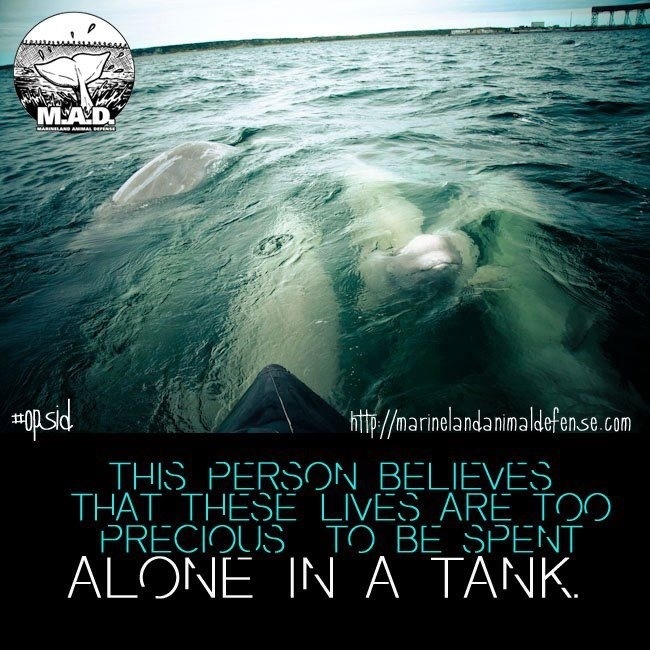
Is captivity more stressful for dolphins than other animals?
Yes, dolphins are sonic creatures—their primary sense is sound.
If you go to the zoo, take a look at the reptile exhibit and find a snake. You’ll see that the snake is given more consideration than the dolphins at Marineland. You’ll see that the snake has got tree limbs to climb on, he’s got rocks to hide from the public if he wants to, grass—there’s always something natural about the snake’s habitat.
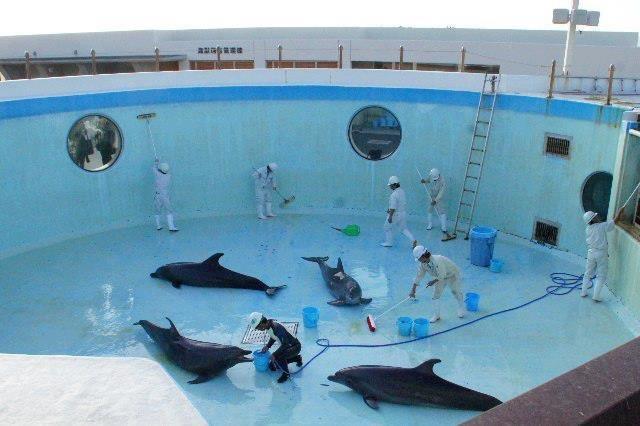
But if you look at the habitat of a captive dolphin, you’ll notice there’s nothing there. It’s just a blank, concrete box. Is that stress? Of course it is.
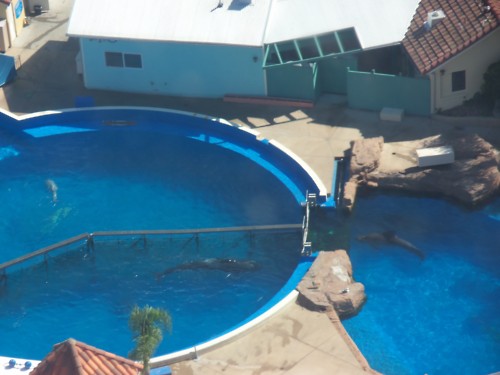
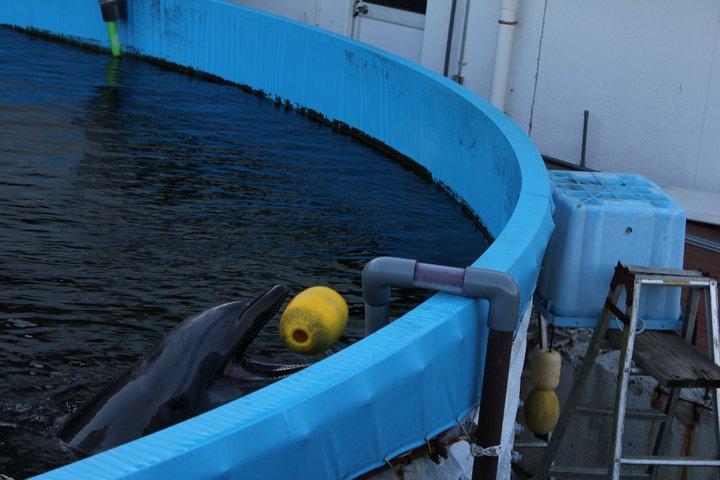
Why can’t marine parks create better environments for dolphins?
It’s really not what’s best for the dolphin; it’s about getting people to come and watch a show, and then getting another group of people to watch the same show.
The dolphins are separated from the natural rhythms of the sea: the tide, the current, the sounds of the sea, the things we take for granted. All of that is missing. That is what we call sensory deprivation. That makes it more stressful for them than other animals in captivity.
Don’t forget that ….
For the dolphins!
Myth – Dolphins are happy in captivity.
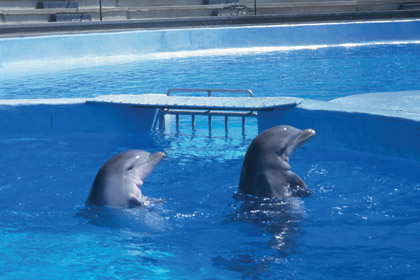
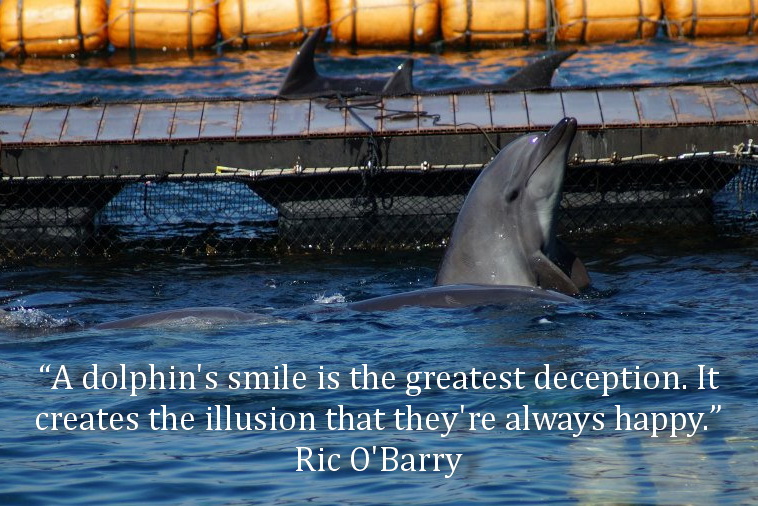
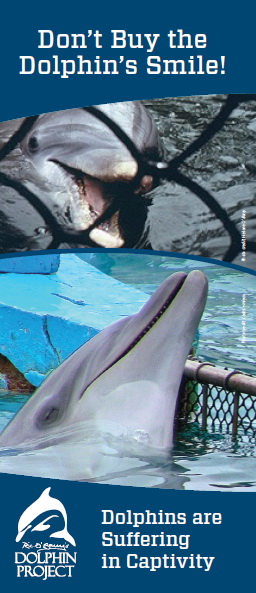
Truth – Dolphins look as though they are smiling because that is the way their faces are shaped. Captive dolphins are constantly on display with nowhere to hide and are forced to perform shows every single day. Dolphins are denied their freedom to travel, and in many cases are taken from their families and homes in the ocean. Would you be happy if you were a captive dolphin?
Myth – Captive dolphins are safe from predators and don’t have to look for food like would in the wild.
Truth – Inmates in prison are safe from being burgled and are fed each day. But do you think they are happy? The main difference between a jail cell and a aquarium tank is that on is filled with water.
Myth – Captive dolphin display have educational value.
Truth – The only thing captivity teaches is that it is okay to imprison animals and force them to perform for our entertainment. In captivity, a dolphin’s natural behavior are repressed. In the wild dolphins do not jump through hoops or drag people through the water with their fins. Captivity presents a completely false image of everything a dolphin is!
Myth – Children establish a connection with dolphins in captivity that would otherwise be impossible to achieve.
Truth – many children care about dinosaurs yet they have never see one. Through photos, videos, stories, tours to see wild dolphins and animations, children can develop love for dolphins without their having to suffer in captivity. Do you think your child would dolphins to suffer if they knew the truth?
Myth – Rescued dolphins have a good home in captivity.
Truth – Dolphins found injured or stranded need medical care and rehabilitation. However, they should not afterwards be forced into a life of servitude and display; they should be released back into the wild. If this is not possible they should be sent to a sea pen where they can live out their lives in privacy and a mostly natural environment.
“Dolphin shows are nothing but a display of human dominance over animals. They are as educational about dolphins as Mickey Mouse is about mice.’ Ric O’Barry
Dolphin exploitation continues to this day because the public remains unaware of dolphin suffering. Now that you are aware, please do not fund the suffering dolphins and other small whales by purchasing a ticket to a dolphin show or swim with dolphin program.
For more information please visit Ric O’Barry’s Dolphin Project
For the dolphins!
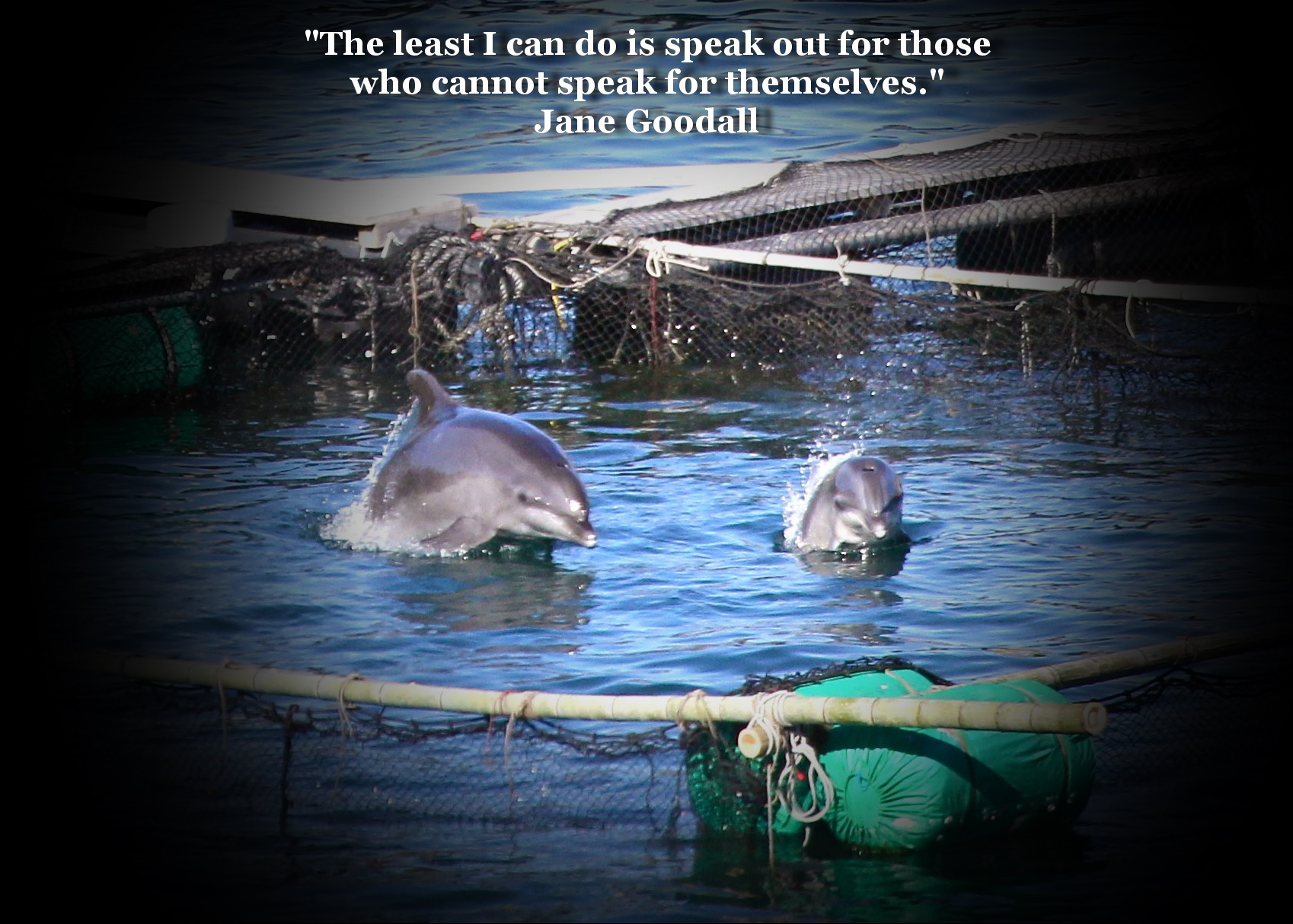
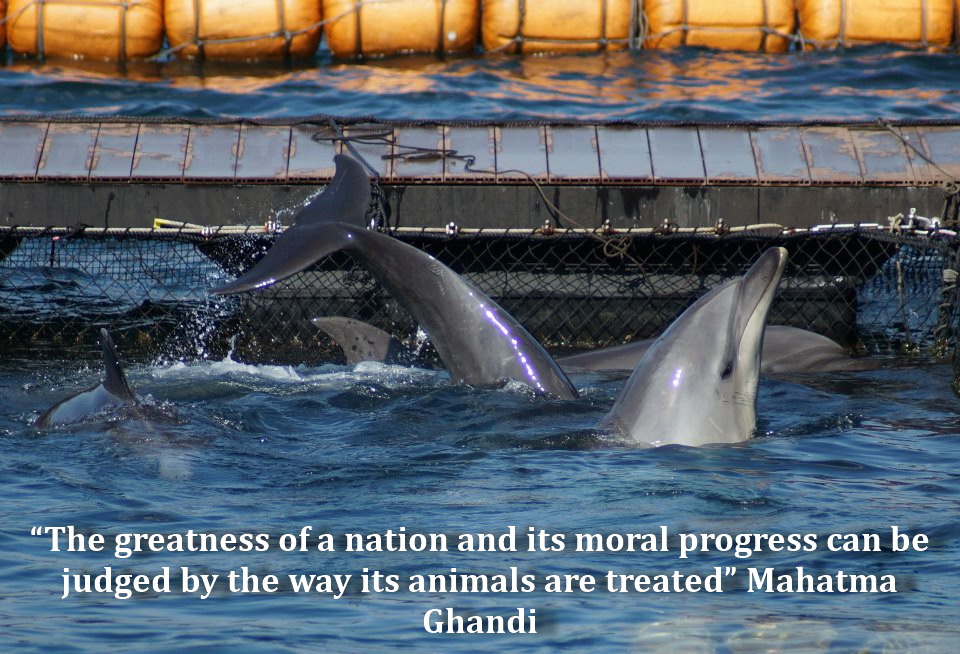
Two captive bottlenose dolphins in the Taiji harbour pens
Photo Credit Sea Shepherd Cove Guardians
For the Dolphins!!
Minds in the Water – 5 years in the making, Minds In The Water is the story of one surfer’s international journey to help protect dolphins, whales and their ocean environment. Shot on location in Australia, the Galapagos, Chile and Japan, the film captures a key moment in one person’s life when apathy is no longer an option. Pro surfer Dave Rastovich went from observer to activist when he embarked on a personal mission to help stop the worldwide commercial slaughter of dolphins and whales. While unsure at first, Rasta quickly found his activist sea legs and helped build a core team of filmmakers, journalists, musicians, eco-pirates and celebrity surfers to help spread the message. All this has been documented in the film, Minds In The Water. (Source)
“I know that some members of the captivity industry have made the point that in captivity these animals are fed fish and they don’t need to deal with the stress of capturing their own prey. But in fact, being fed dead fish can be a stress. In the wild, they really enjoy the opportunity to collaborate with each other and catch prey and travel with their companions, and basically work for their prey. In captivity, all of that stimulation is taken away. There is a lot of scientific evidence that shows that dolphins and whales — both wild-born and captive-born — exhibit a lot of psychological abnormalities in captivity.” Lori Marino. Behavioral neuroscientist at Emory University
Here are three films the captive marine mammal industry does not want you to see!
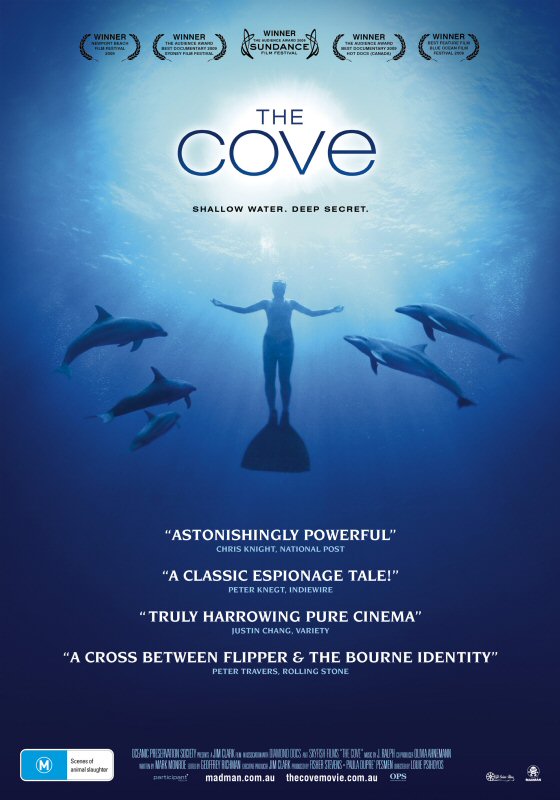
The Cove: Using state-of-the-art equipment, a group of activists, led by renowned dolphin trainer Ric O’Barry, infiltrate a cove near Taijii, Japan to expose both a shocking instance of animal abuse and a serious threat to human health.
A Fall From Freedom: The first comprehensive film to reveal the long and sordid history of the captive whale and dolphin entertainment business. Many of these marine parks and aquariums are directly or indirectly responsible for the death of thousands of the very animals they use for public entertainment. Premature deaths. Trainer injuries. Illegal practices. Educational misrepresentation. Government incompetence. Secret deals. These and many other issues are presented, and documented for the first time in this powerful documentary, narrated by actor Mike Farrell.
Blackfish: Notorious killer whale Tilikum is responsible for the deaths of three individuals, including a top killer whale trainer. Blackfish shows the sometimes devastating consequences of keeping such intelligent and sentient creatures in captivity.
In the wild vs. in captivity ( information credited to – the Animal Welfare Institute http://awionline.org )
| In The Wild… | In Captivity… |
|---|---|
| Each day, dolphins travel up to 40 miles and orcas travel up to 100, feeding and socializing with other members of their pods. Pods can contain hundreds of individuals with complex social bonds and hierarchies. | Cetaceans are housed in small concrete or glass enclosures with no chance to swim for very long or dive deep distances.
Sometimes they are housed alone without opportunities for socialization, or they are forced to be with other animals and even species with whom they would not naturally have close contact. |
| Dolphins are naturally energetic, playful and inquisitive. | When tasked with entertaining tourists all day, with nowhere to escape, dolphins often become bored, frustrated and aggressive. |
| Cetaceans spend approximately 80-90% of their time under water. They have the freedom to perform natural behaviors on their own terms. | Dolphins are forced to perform artificial activities such as “walking” on water, jumping through hoops, and nodding their heads on cue. |
| Whales and dolphins eat a variety of fish, squid and octopi species, as well as smaller mammals.
Orcas and others work in groups, utilizing complex strategies to locate their prey. Some dive thousands of feet in search of food sources. |
The animals are given a staple diet of dead fish, often as positive reinforcement during training, with no opportunities to utilize their sophisticated hunting techniques. |
| Cetaceans live in complex societies with their own cultures and dialects, maintaining close family ties with grandparents, aunts and uncles. Some remain in the same pods for life. | Individuals are violently removed from the wild, with no hope of ever being reunited with their families. Captive animals are withheld forever from the wild gene pool. |
| Whales and dolphins live in a world of sound.
They rely on echolocation as their main form of communication and use sound to find mates, migrate, communicate, stay at or return to a favored feeding area, nurse, care for young, and catch and escape prey. |
Animals are forced to listen to filtration systems, pumps, music and people clapping and yelling on a regular basis.
Their concrete and/or glass enclosures also manipulate sounds, so even if two individuals are housed together, their communication is warped. |
| Cetaceans are surrounded by other sea life and are an integral part of the marine food web.
Whales and dolphins have evolved for millions of years in the oceans, and in most cases, they are the top predators. |
Artificial captive environments are sterile and lack stimulation. The animals’ water is chemically treated with chlorine – though they still suffer from bacterial infections that can be deadly.
The highly chlorinated water can also cause irritation and even blindness. |
A very informative video about Dolphin & Whale captivity.
After watching this video – Take the Pledge Not to Buy a Ticket to a Dolphin Show – click here
Marineland whistleblowers need your help!
To date, 15 ex-employees have bravely spoken out about Marineland’s poor treatment of animals; and now the corporation has taken legal action against two. On Oct 17th, Christine Santos was fired after not signing a document that included a statement she’d never seen animal abuse at the park. Shortly thereafter, Marineland served a $1.25 million defamation lawsuit against the former trainer for telling the Toronto Star a killer whale was sporadically bleeding from its tail. Kiska, Marineland’s lone killer whale is now without her most trusted trainer. On Feb 13th Marineland launched a separate suit against Phil Demers citing $1.5 million in damages, with more suits expected.
If you are able to please consider making a donation by clicking here Any and all proceeds will be provided solely for the expenses incurred in defending any whistleblowers and any unused proceeds will be dedicate tot he continued avocation for Ontario’s captive animals.
Tweet Storm for Marineland Whistleblowers March 20, 2013 – click here for the Facebook page and more information
Spread the word: Tweet storm for #marineland #Whistleblowers on March 20 #SaveMarinelandAnimals
Support Marineland Whistleblowers by signing this petition: Save Marineland Animals
Watch this informative video – Behind the scenes at Marineland – Phil Demers former Marineland Trainer
For all the animals of Marineland!
 Voice For The Blue