Death at Sea World

DASW-PB-Cover1

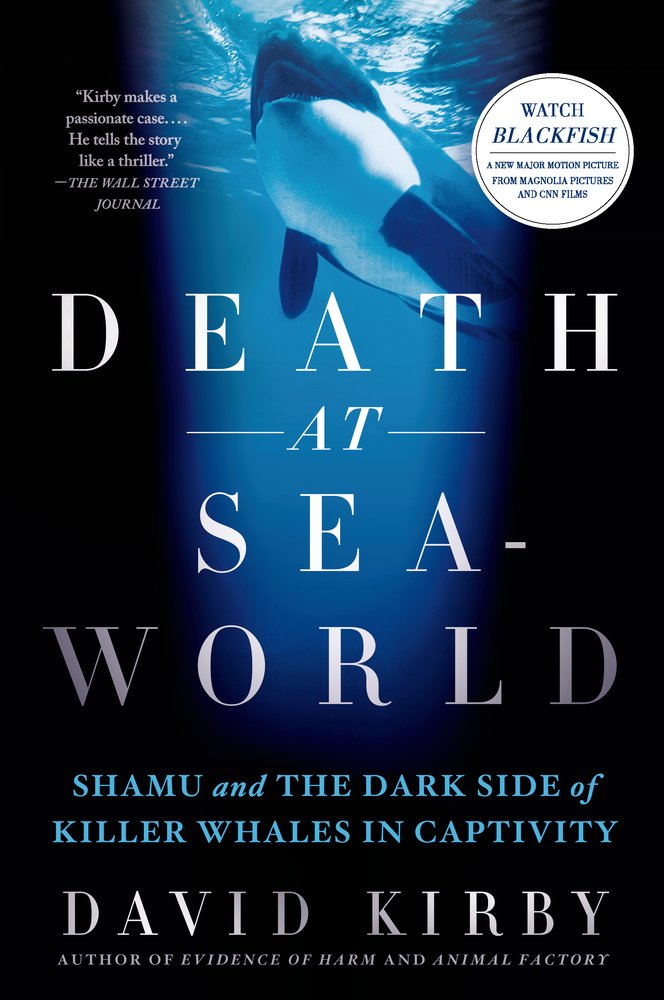
DEATH AT SEAWORLD “is a groundbreaking scientific examination that exposes the dark side of SeaWorld, America’s most beloved marine mammal park.  From the tragic death of trainer Dawn Brancheau in 2010, to other, less-publicized violent incidents, journalist David Kirby puts these brutal animal-on-human attacks in context and explores the controversial and even lethal ramifications of keeping killer whales in captivity. It introduces the real people taking part in this debate, from former trainers turned animal rights activists to the men and women that champion SeaWorld and the captivity of whales. Kirby follows the story of Naomi Rose Ph.D., marine mammal scientist for The Humane Society of the United States and senior scientist for The Humane Society International, whose warnings against keeping killer whales in captivity fell on deaf ears.  He also covers the media backlash, the eyewitnesses who come forward to challenge SeaWorld’s glossy image, and the groundbreaking OSHA vs. SeaWorld case. On May 30, 2012, the judge ruled on this case, stating that trainers performing with huge ocean predators need to be protected by physical barriers, or some other means providing the same level of safety.  The strict standard could effectively prevent SeaWorld from ever allowing its trainers to get back into the water during shows with the whales.” (Source)
Thoughts on Death at Sea World:

With the upcoming release of the new documentary Blackfish, I decided to finally read Death at Sea World. Simply put, it is an inspiring, heartbreaking, thriller, that provides significant insight into the lives of Killer Whales in captivity. Kirby takes you through a gripping investigation that is hard to put down. The book in the end, is an eye opener to Shamu and the Dark Side of Killer Whales in Captivity.

The chapter entitled Capture, which is told from Tilikum’s perspective, is absolutely heartbreaking. It is hard not to view the capture of Tilikum as similar to that of a child being taken away from its mother at such a young age. Especially considering that male killer whales spend most of their time by their mother’s side from infancy through old age. While they may swim off for a few hours or days to mate with females from other pods, at the end of the day they always come back to their mother.  As Kirby puts it, “in other words, male resident orcas are the planet’s ultimate mama’s boy.” Here is a little excerpt from the chapter “Suddenly you are snagged in another, smaller net. You cry out in shock and fear, calling for your mother. You feel the net being pulled through the water toward the boat. Your heart races and you surface to breathe, quickly and with difficulty. What is going on? Where is your mom? Then you hear her. You have never hear this wretched wail before: mournful, ragged, spiked with rage and terror. Now your other relative have joined the awful remonstration. You answer their panicked cries with your own chaotic vocalizations as you’re hauled from the water on a canvas sling.”

Interestingly enough, no killer whale had been reported to have killed a human in the wild, or even seriously attacked a human in the wild, and no killer whale had ever been known to be killed in a fight with another whale. All three of those things have happened in captivity

According to Kirby there are two vital questions:

1) Is captivity in an amusement park good for orcas: Is this the appropriate venue for killer whales to be held, and does it somehow benefit wild orcas and their ocean habitat, as industry claims?

2) Is orca captivity good for society: Is it safe for trainers and truly educational for a public that pays to watch the whales perform what critics say are animal tricks akin to circus acts?

Clearly my answer to these two questions is no, but what would your answer be?

After reading Death at Sea World, this what I can say with certainty: 1. I will continue my pledge to never visit Sea World or anything similar 2. I will be a voice for the voiceless by informing others of the brutal reality of captivity for Killer Whales and other cetaceans, 3. The only place I ever want to see  Killer Whales is in their natural environment and thanks to David Kirby I hope to one day travel to Johnstone Strait and Telegraph Cove to do so.

That being said, I urge each of you to pick up Death at Sea World by David Kirby and sit down and read it. I guarantee you that it will completely change your outlook on Sea World and the Killer Whale captive entertainment industry. Secondly, if you haven’t already heard about the new documentary Blackfish, then view the trailer below and check for local screening times on the website http://blackfishmovie.com/

Interested in reading and learning more:

http://deathatseaworld.com/

http://theorcaproject.wordpress.com/

The Real Sea World 2

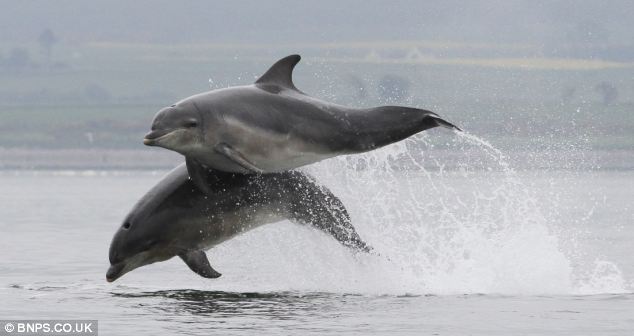
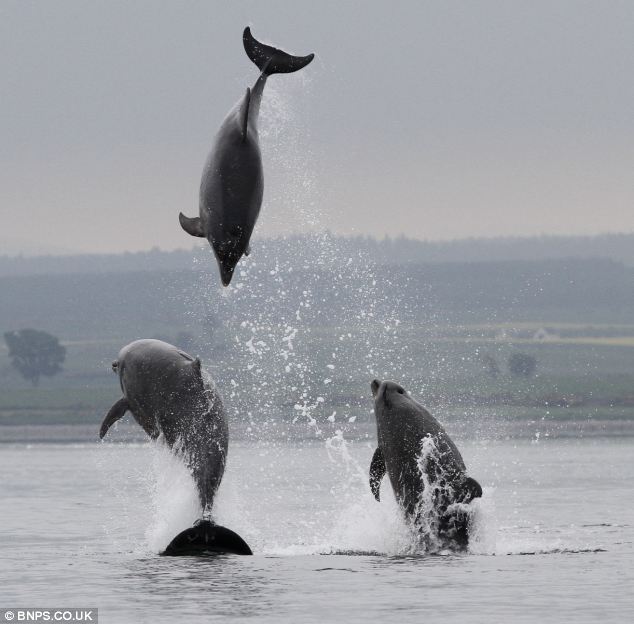
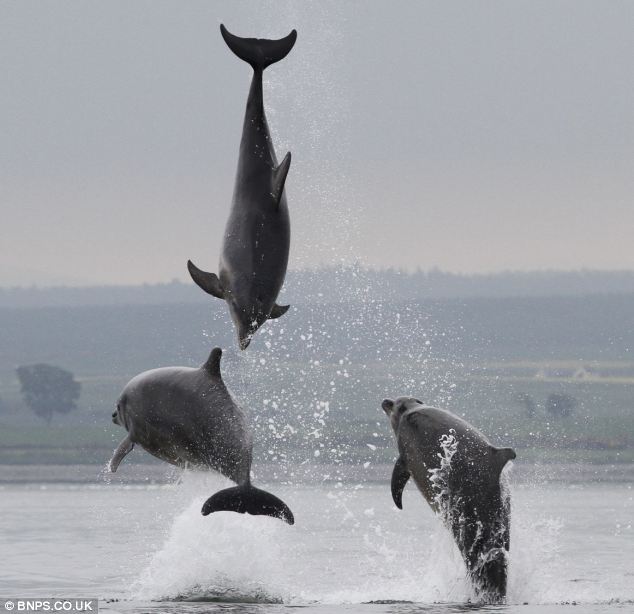
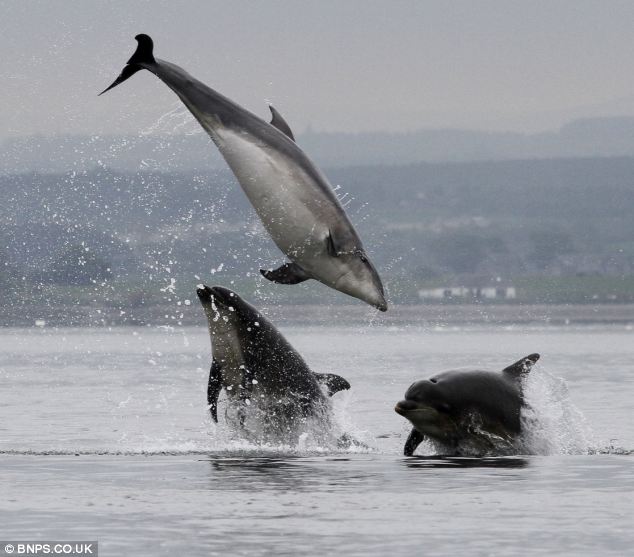
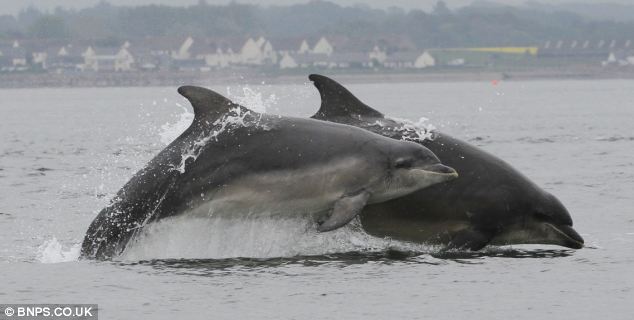
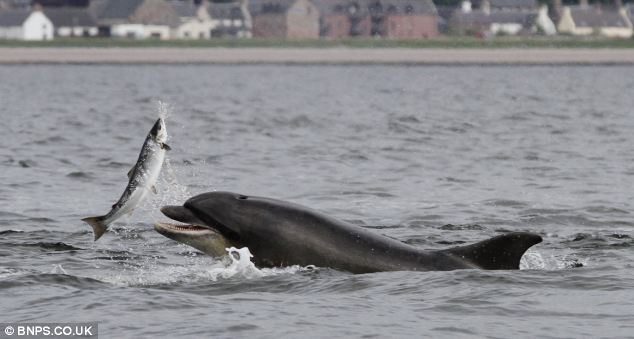
Approximately 20 dolphins were spotted hunting on the Moray Firth in Scotland.

Amateur photographer Alister Kemp, 47, was  watching from the shore and managed to captured a series of amazing and stunning  shots. Alister, from Evanton in Ross-Shire, said: ‘I  took these pictures when the salmon were returning to the river to spawn during  low tide.

The pod of 20 dolphins had been  laying in  wait for the annual ‘salmon run’, where they can be guaranteed a tasty snack as  hundreds of fish swim from the sea back to freshwater  to spawn. Once the dolphins have got a fish they will  throw it out of the water and then you will see them leap out after  it.

“I have taken hundreds of pictures of the  dolphins over the years but I think these could be my best so far. Sometimes I have waited two to three hours  to see them but I have also been there at just the right time to spot them, when  the tide has just started to come in.”

Read more: http://www.dailymail.co.uk/news/article-2342865/Heres-I-learned-Tom-Daley-Bottlenose-dolphins-acrobatic-display-leaps-water-diving-grab-salmon.html#ixzz2XnkZxSqn

Why spend hundreds of dollars to go to Sea World when you can watch an amazing display such as this in the wild. This is the REAL SEA WORLD!

article-2342865-1A586EC6000005DC-548_634x336

article-2342865-1A5870A2000005DC-589_634x624

article-2342865-1A5871DA000005DC-498_634x614

article-2342865-1A5872D1000005DC-149_634x557

article-2342865-1A5874A6000005DC-677_634x320

article-2342865-1A587464000005DC-466_634x339

For the dolphins!


Thoughts for the Day

IMG_2848

Only 69 days until Sept 1, 2013 and the start of the annual Dolphin hunt and slaughter in Taiji.

Please check out www.japandolphinsday.net to join an event near you or host your own event.

IMG_3252

IMG_3052

IMG_3275

Incredible Dolphin Surfing off the coast of South Africa

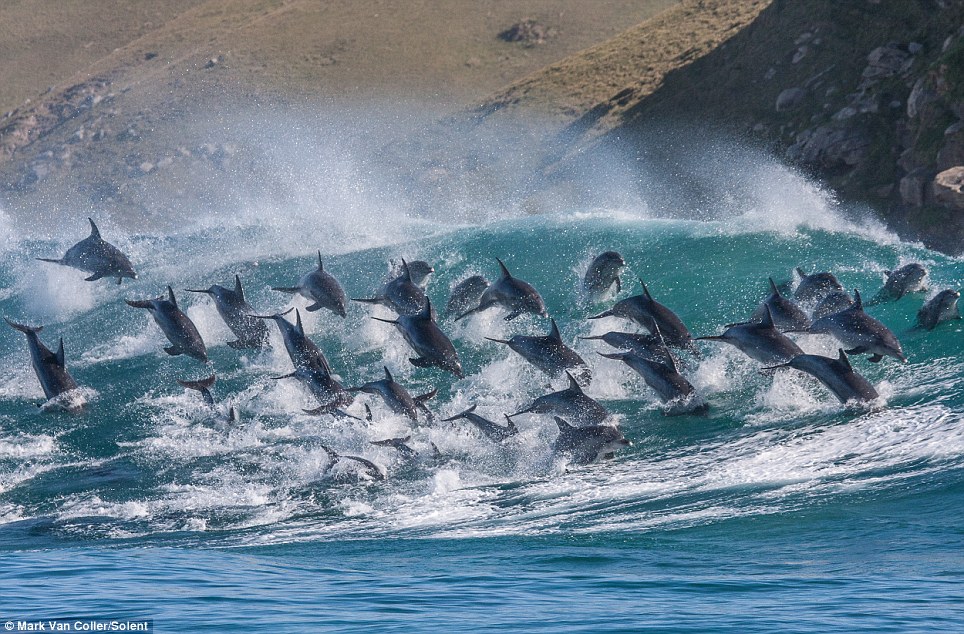
A pod of 40 bottlenose dolphins were spotted jumping out of the back of the breaking waves that were rolling into the east coast of South Africa. Despite facing waves as big as eight feet, some of the more energetic marine mammals were seen leaping six foot out of the sea.

The dolphins were photographed by Mark van Collier as they made their north up the east coast of South Africa, near Port St Johns. Mark travelled alongside the pod on a boat and was amazed to see so many dolphins ‘surfing’ in unison.

article-2339628-1A415076000005DC-825_964x634

article-2339628-1A4151C6000005DC-476_964x637

article-2339628-1A415066000005DC-909_964x636

article-2339628-1A4150CF000005DC-31_964x575
 
article-2339628-1A4150EC000005DC-839_964x637


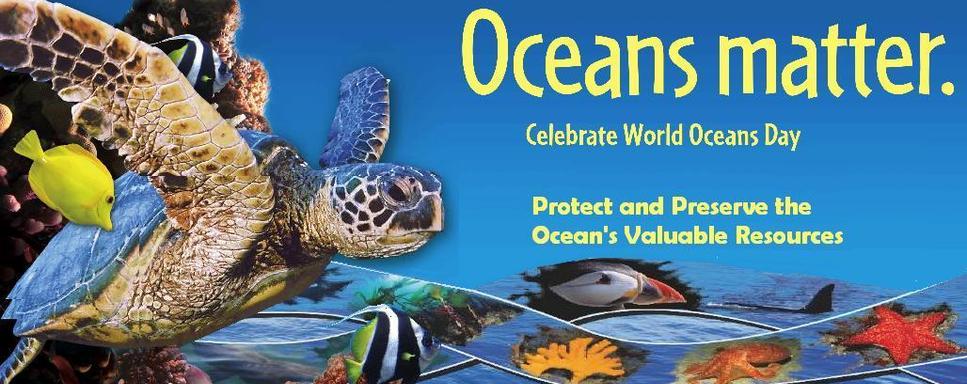
Thought for World Ocean’s Day

IMG_3148

Happy World Ocean’s Day!!

WOD-DolphinsCelebrate_VideoThumb

world-oceans-day_cad9ecc554_967_384_1_0

Sea World’s Dark Secrets revealed in Blackfish

Are you considering a trip to Sea World? Before doing so, take a moment to watch the new full length trailer released by CNN films of Blackfish.

Blackfish is the Sundance decuting film about killer whales in captivity and their propensity of living up to their namesake. 

The haunting footage revolves mostly around one whale, Tilikum, responsible for the very public and very horrifying death of a Sea World trainer in 2010.

Are these animals truly killers, or did we make them into killers when we stuck them inside a tank and made them perform for  crowds? That seems to be the essential question at the heart of Gabriela Cowperthwaite’s unsettling documentary.

Watch the trailer for Blackfish:

Blackfish opens in limited release July 19. Here’s the official synopsis:

Many of us have experienced the excitement and awe of watching 8,000 pound orcas, or “killer whales,” soar out of the water and fly through the air at sea parks, as if in perfect harmony with their trainers. Yet, in our contemporary lore this mighty black and white mammal is like a two-faced Janus—beloved as a majestic, friendly giant yet infamous for its capacity to kill viciously. Blackfish unravels the complexities of this dichotomy, employing the story of notorious performing whale Tilikum, who—unlike any orca in the wild—has taken the lives of several people while in captivity. So what exactly went wrong?

Shocking, never before seen footage and riveting interviews with trainers and experts manifest the orca’s extraordinary nature, the species’ cruel treatment in captivity over the last four decades and the growing disillusionment of workers who were misled and endangered by the highly profitable sea-park industry. This emotionally wrenching, tautly structured story challenges us to consider our relationship to nature and reveals how little we humans have learned from these highly intelligent and enormously sentient fellow mammals.

Compassion & Commitment of Killer Whales

In many animal societies, if a member of a group is gravely wounded or born with disabling deformities, that animal becomes an unsustainable burden on the others, and is often left behind at the mercy of predators, hunger and disease.

Not so with killer whales. They are among the few species in the world to look after members of their family who cannot look after themselves. Their patience and compassion for each other surpasses, perhaps, even that of humans

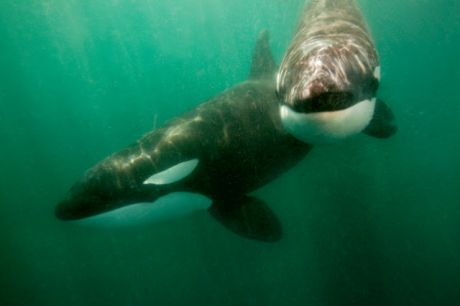
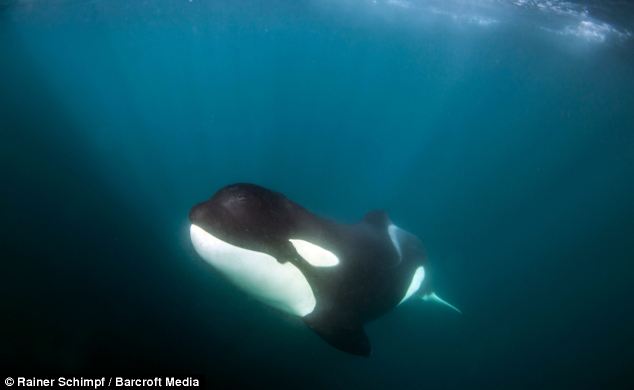
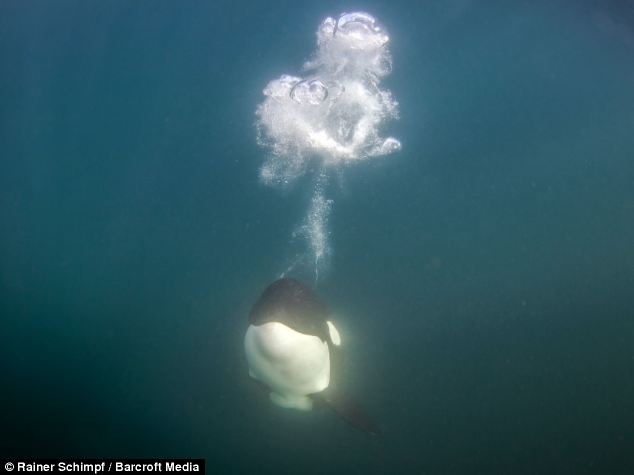
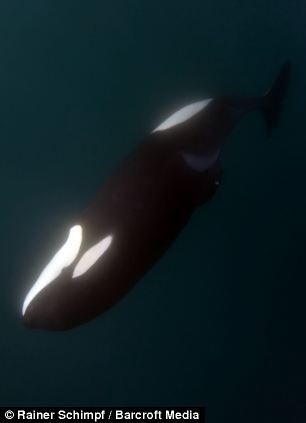
The most recent example of this extraordinary commitment to one another was revealed recently in the UK’s Daily Mail, which ran a story and photo essay of a disabled young male orca off the coast of South Africa. The disabled killer whale that is missing two  fins is able to survive in the wild with the help of its family, who hunt food  its food. The young killer whale has no dorsal fin or  right-side pectoral fin, leaving it unable to hunt for itself.

These disfigurements make it impossible for the whale to hunt alongside his pod. Luckily for him, they are only too willing to hunt for their disabled pod mate.

Underwater photographer Rainer Schimpf came  face to face with the pod while the members hunted in waters off Port Elizabeth  in South Africa. He said: “Incapable of fast hunting and  ambushing prey it has to be dependent on the pod which, one assumes, looks after  it very well. It shows these mammals are not really just  ruthless killing machines but they also have complex, caring social-structures  in which they and care for their own disabled members.”

89998618

article-2326868-19DD722D000005DC-398_634x554

article-2326868-19DD7478000005DC-230_634x390

2013051740whale

article-2326868-19DD750E000005DC-0_634x475

article-2326868-19DD74FA000005DC-521_306x423

Of course, the more you learn about the intelligence, compassion and complex social bonds these amazing animals have developed over millions of years of evolution, the idea of keeping them locked up in tanks for human entertainment and profit becomes even more ludicrous.


Marineland’s Last Remaining Orca #OPSID

Killer whales are highly social; some pods are composed of matrilineal family groups which are the most stable of any animal species. Killer Whales are notable for these complex societies. Only elephants and higher primates, such as humans, live in comparably complex social structures. It is because of these complex social bonds and society that one should wonder why we attempt keep Killer Whales in captivity.

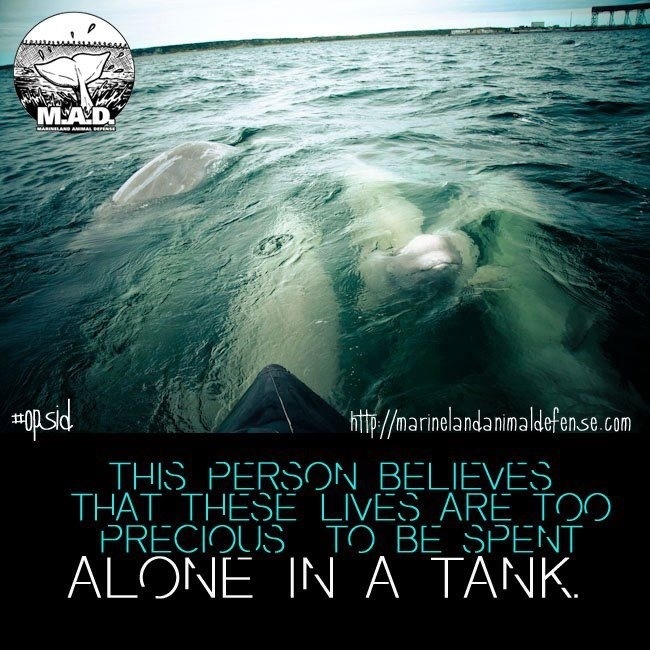
Captivity is about separation and exclusion. It is about the destruction of families and communities. For wild caught animals, many watch their parents and family killed in front of them at a young age so that they won’t be able to put up a fight to defend them from capture. For the animals bred in captivity at Marineland, those parents routinely watch as their offspring suffer and die in infancy.

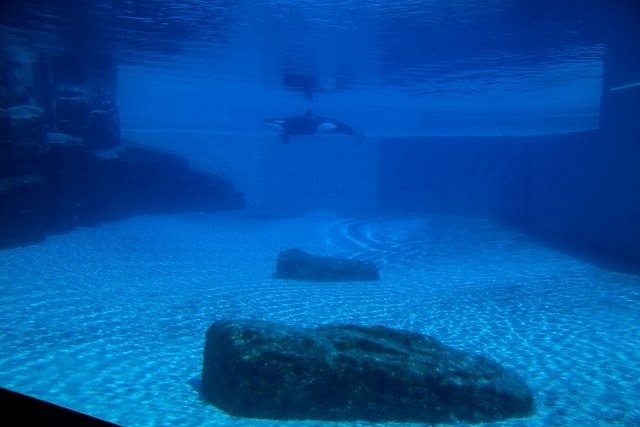
There are no heart warming stories at Marineland, Niagara Falls, Canada. There are endless sad stories, but none may be more pressing and sad than that of Kiska. Marineland’s last remaining Orca, Kiska was wild caught from Iceland in the 1980’s. At Marineland, Kiska is the longest serving resident and she has seen dozens of Orcas come and go – and estimated 14 other Orcas die. Of those 14, 5 of them have been her own children. The oldest surviving just 6 years. (Source)

Since the removal of Ikaika back to SeaWorld she has spent her days alone. Ex-trainers have spoken publicly about their concern for her and Marineland itself have gone on public legal record establishing their concern for the health of their lone Orca held in solitary. (Source)

Kiska’s story is the story of captivity. She has survived, but at what cost? Her life has been painfully sad, she is alone and completely dependent upon humans – humans who are only interested in her as an “asset.”

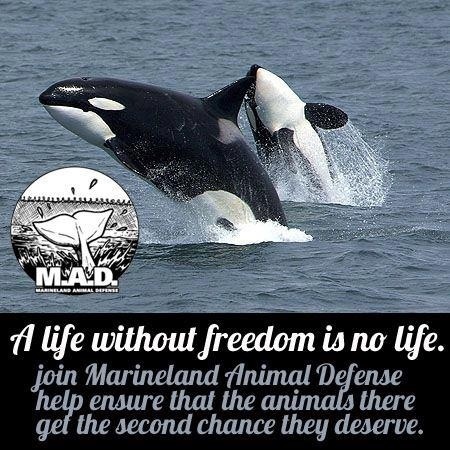
There is no human need to hold other animals in captivity. There is no human need to gawk at or to turn other animals into mere commodities and spectacles. Marineland Animal Defense fights to remove Kiska and all of the other animals at Marineland and to ensure there are no more captives!

20130514-183816.jpg

Kiska alone in her tank.

20130514-183908.jpg

20130514-184406.jpg

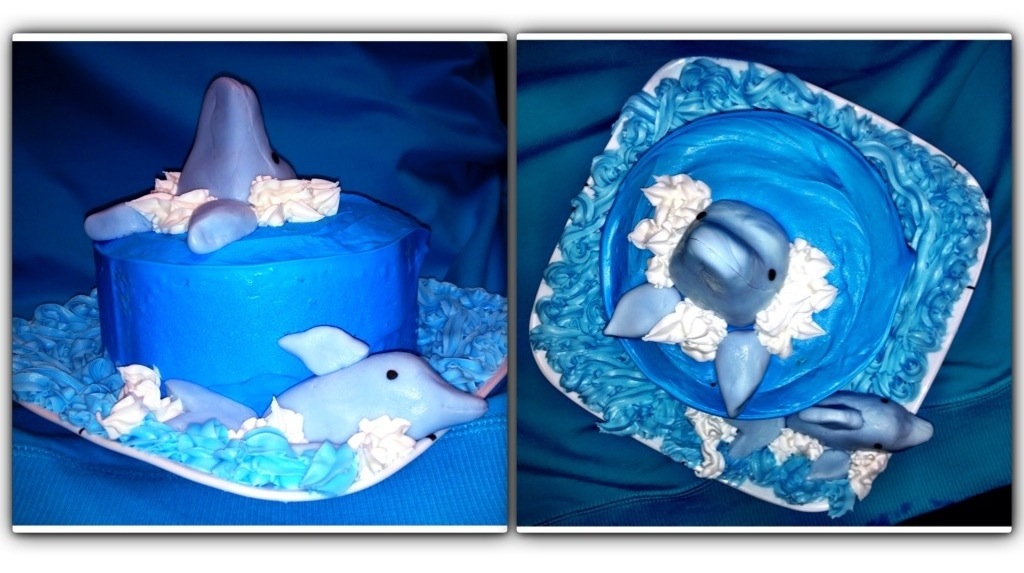
Dolphin Birthday Cake

This amazing birthday cake was made for me by a coworker/friend! She did such an incredible job that I had to share it.

The Dolphins on the cake were edible but I couldn’t bring myself to eat them so I decided to save them instead!

If you have a dolphin loving friend this is the perfect idea for a birthday cake! I absolutely loved it!!

20130512-192836.jpg

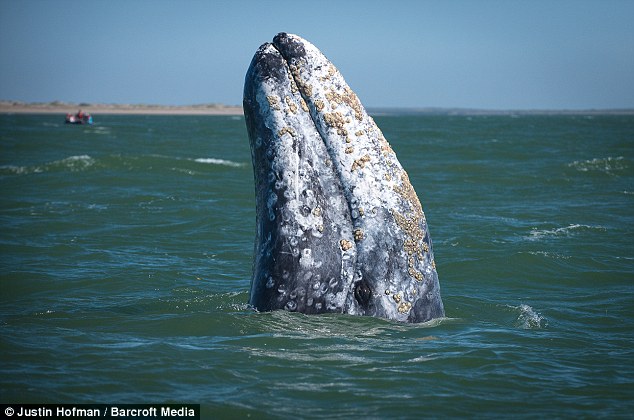
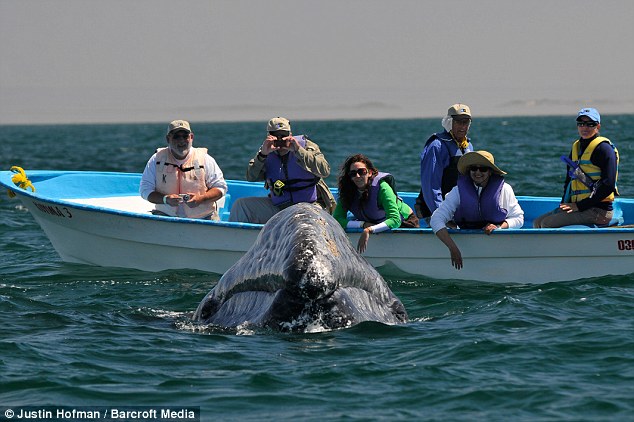
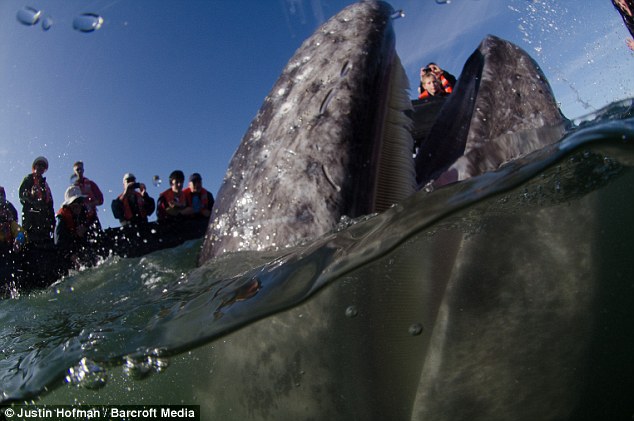
The Real Sea World!

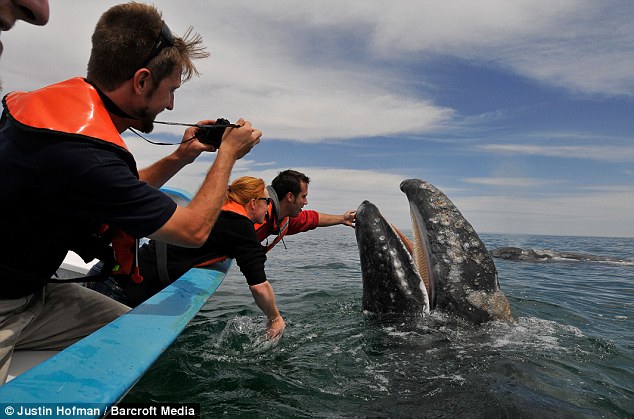
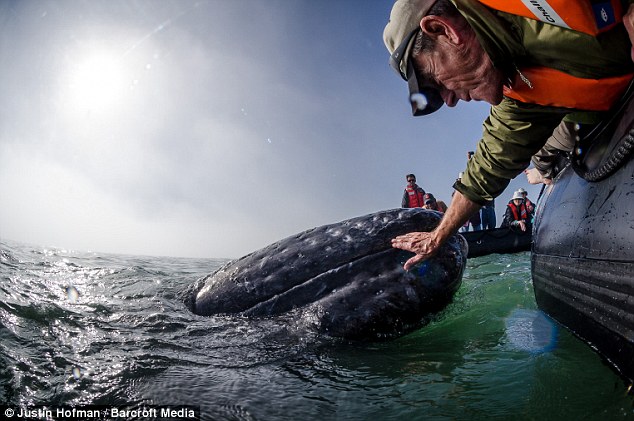
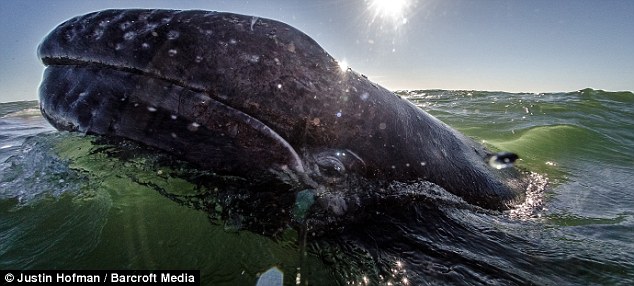
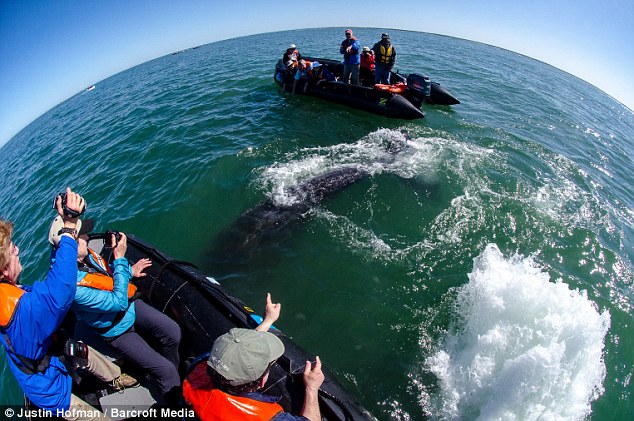
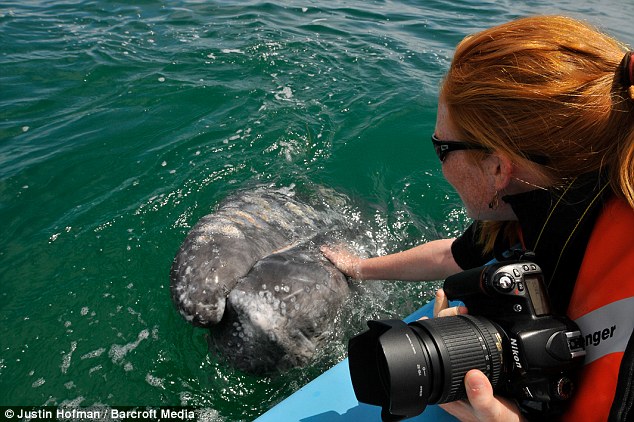
Tourists had a “whale” of a time after a 30 tonne mother gray whale and her calf pop up to say hello!
 
This is the Real Sea World and a heartwarming moment an affectionate 40 ft mother wale and her curious calf popped up to say hello to tourists who showered them with hugs and kisses.
 
The friendly mother rose to the surface just in time to make these holiday snaps ones to definitely remember. Guests were truely amazed when the friendly gray whales drifted up to the boats.

The images were captured by photographer Justin Hofman off the coast of Baja California, Mexico.

article-2300092-18F2B86E000005DC-886_634x420  article-2300092-18F2B7B3000005DC-480_634x422

article-2300092-18F2B5B6000005DC-219_634x421  article-2300092-18F2B622000005DC-2_634x419

article-2300092-18F2B013000005DC-950_634x421  article-2300092-18F2B3E5000005DC-228_634x286article-2300092-18F2B4C1000005DC-443_634x421  article-2300092-18F2B3ED000005DC-448_634x422

Cruelty of Dolphin Captivity – Sensory Deprivation

Is captivity more stressful for dolphins than other animals?

Yes, dolphins are sonic creatures—their primary sense is sound.

If you go to the zoo, take a look at the reptile exhibit and find a snake. You’ll see that the snake is given more consideration than the dolphins at Marineland. You’ll see that the snake has got tree limbs to climb on, he’s got rocks to hide from the public if he wants to, grass—there’s always something natural about the snake’s habitat.

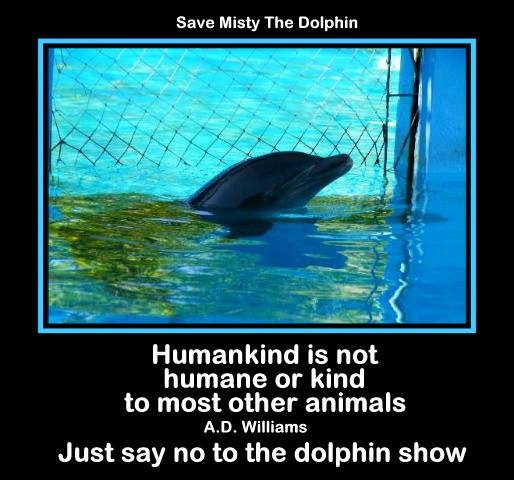
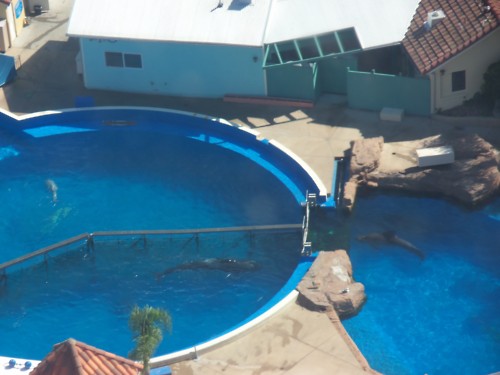
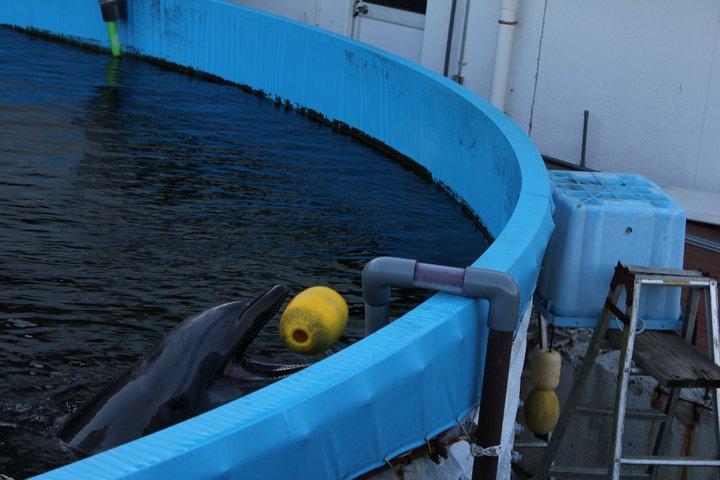
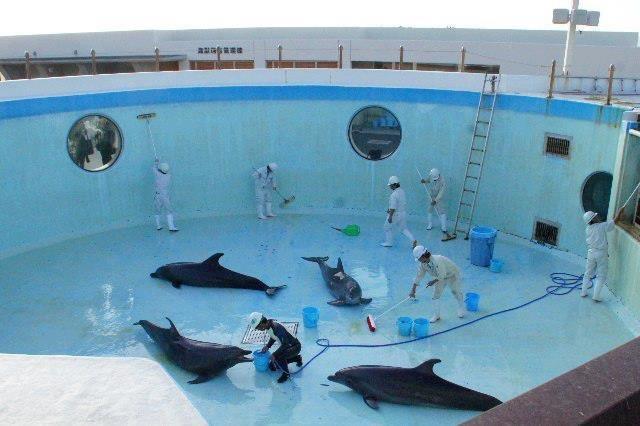
But if you look at the habitat of a captive dolphin, you’ll notice there’s nothing there. It’s just a blank, concrete box. Is that stress? Of course it is.

holding-pools  misty_n

Why can’t marine parks create better environments for dolphins?

It’s really not what’s best for the dolphin; it’s about getting people to come and watch a show, and then getting another group of people to watch the same show.

The dolphins are separated from the natural rhythms of the sea: the tide, the current, the sounds of the sea, the things we take for granted. All of that is missing. That is what we call sensory deprivation. That makes it more stressful for them than other animals in captivity.

captivity12  598858_463115263731552_1963834535_n

Don’t forget that ….

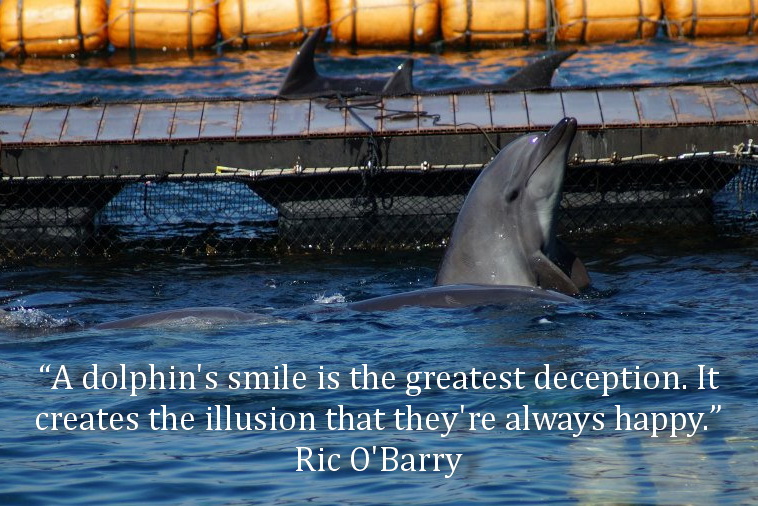
Dolphin Smile

For the dolphins!

Revolution

revolution-37“Change starts with education. If people are aware of their impact on the earth, they’ll make smarter choices.” -Rob Stewart

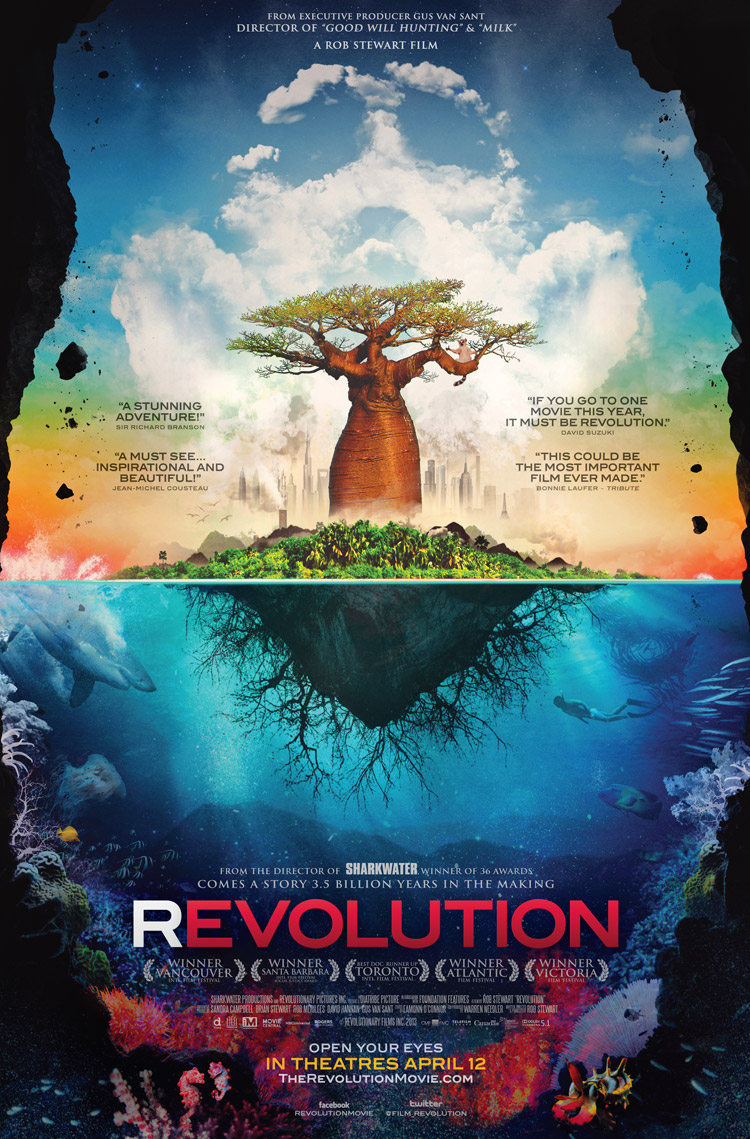
Revolution – film about changing the world. The true-life adventure of Rob Stewart, this follow-up to his acclaimed SHARKWATER documentary continues his remarkable journey; one that will take him through 15 countries over four years, and where he’ll discover that it’s not only sharks that are in grave danger — it’s humanity itself.

In an effort to uncover the truth and find the secret to saving the ecosystems we depend on for survival, Stewart embarks on a life-threatening adventure. From the coral reefs in Papua New Guinea and deforestation in Madagascar to the largest and most destructive environmental project in history in Alberta, Canada, he reveals that all of our actions are interconnected and that environmental degradation, species loss, ocean acidification, pollution and food/water scarcity are reducing the Earth’s ability to house humans. How did this happen, and what will it take to change the course that humanity has set itself on?

Travelling the globe to meet with the dedicated individuals and organizations working on a solution, Stewart finds encouragement and hope, pointing to the revolutions of the past and how we’ve evolved and changed our course in times of necessity. If people were informed about what was really going on, they would fight for their future — and the future of other generations. From the evolution of our species to the revolution to save it, Stewart and his team take viewers on a groundbreaking mission into the greatest war ever waged.

Startling, beautiful, and provocative, Revolution inspires audiences from across the globe to start a revolution and change the world forever.


For more info please check out:

http://www.therevolutionmovie.com
http://www.facebook.com/revolutionmovie
http://www.twitter.com/film_revolution